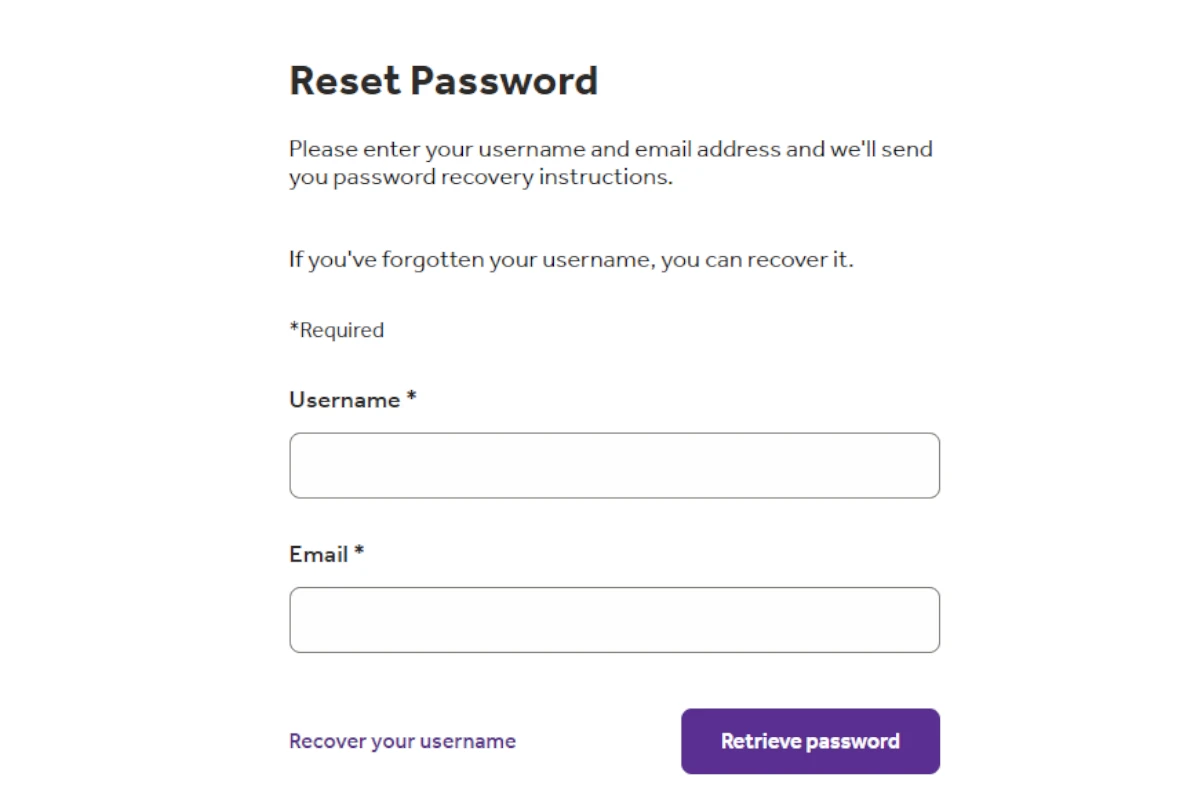
For anyone who has ever faced the annoyance of being locked out of an account, the process of resetting a password is both a common and crucial task. Resetting a password involves verifying your identity through various methods, such as answering security questions or receiving a code via email or text message, allowing you to create a new password for continued access. This step not only helps regain access but also strengthens security measures.
Understanding how to reset a password can be vital in safeguarding personal and professional information. Many platforms, including Microsoft, Google, and social media websites, provide straightforward steps for users to follow. Verifying your identity might include answering security questions or receiving a one-time code sent to your verified email or phone number.
It’s important to be familiar with these procedures and to create strong, unique passwords that can protect your accounts from unauthorized access. Knowing how to reset your password efficiently ensures you can regain access to important accounts quickly, minimizing disruption to your daily activities.
What Does Reset Password Mean? A Complete Guide
In today’s digital world, passwords are the first line of defense for our online accounts and devices. Understanding what “reset password” means and how it differs from other password-related actions is essential for maintaining your online security.
What Is Reset Password?
Reset password is the action of invalidating the current password for an account on a website, service, or device, and then creating a new one (source: Computer Hope). This process essentially removes your old password and allows you to establish a completely new one.
Password reset technology is more than just a convenience feature—it’s a critical component of modern identity management that directly impacts operational efficiency, security posture, and user productivity (source: Avatier).
When Would You Reset a Password?
There are several common scenarios where you might need to reset a password:
1. Forgotten Password
The most common reason for resetting a password is simply forgetting it. When you can’t remember your password, the reset process allows you to regain access to your account.
2. Security Breach
If you suspect your account has been compromised or you’ve received a security alert, resetting your password immediately helps protect your account from unauthorized access.
3. Mandatory Security Updates
Some organizations require periodic password resets as part of their security policies, typically every 60-90 days.
4. Shared or Compromised Credentials
If you’ve shared your password with someone or used it on multiple sites where one was breached, resetting it helps maintain security.
5. Administrator Action
IT departments may reset user passwords when helping employees who are locked out or as part of security protocols.
Reset Password vs. Change Password: What’s the Difference?
Although resetting a password and changing a password have the same end result—a new password—they’re two completely different actions (source: ITPro Today):
Changing a Password
- Requires you to know your current password
- You actively log into your account with existing credentials
- You navigate to account settings and update your password
- The system verifies your identity through your current password
- This is a voluntary, user-initiated action
Resetting a Password
- Does not require knowledge of the current password
- Used when you’ve forgotten your password or are locked out
- Requires alternative verification methods (email, SMS, security questions)
- The old password becomes immediately invalid
- Can be initiated by the user or an administrator
How Does Password Reset Work?
The password reset process typically follows these steps:
1. Initiate the Reset
Click the “Forgot Password?” or “Reset Password” link on the login page of the website or service.
2. Verify Your Identity
The system needs to confirm you’re the legitimate account owner. Common verification methods include:
- Email verification: A reset link sent to your registered email address
- SMS code: A temporary code sent to your phone number
- Security questions: Answering pre-set personal questions
- Two-factor authentication: Using an authenticator app or backup codes
- Account recovery contact: Confirmation through a trusted contact or alternate email
3. Create a New Password
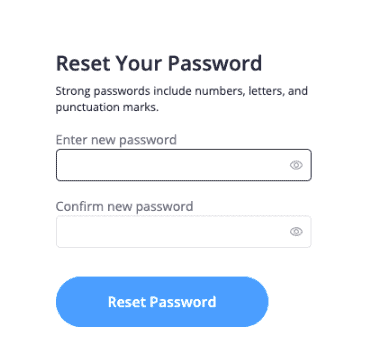
Once verified, you’ll be prompted to create a new password. Most systems require:
- Minimum character length (usually 8-16 characters)
- Mix of uppercase and lowercase letters
- At least one number
- Special characters (!@#$%^&*)
- Password that differs from recent previous passwords
4. Confirmation
After successfully creating your new password, you’ll typically:
- Receive a confirmation message
- Get an email notification about the password change
- Be automatically logged into your account
Common Password Reset Methods
Email Reset
The most common method where a unique reset link is sent to your registered email address. This link typically expires after a set time (usually 15-60 minutes) for security purposes.
SMS Reset
A verification code is sent to your registered mobile phone number, which you enter on the website to proceed with the reset.
Security Questions
You answer pre-set personal questions that only you should know the answers to, such as “What was your first pet’s name?”
Administrator Reset
In enterprise environments, IT administrators can reset user passwords through management tools. This method doesn’t require the old password (source: SysAid).
Biometric Verification
Modern systems may use fingerprint, facial recognition, or other biometric data to verify identity before allowing a password reset.
Best Practices for Password Resets
For Users:
- Use a secure connection: Always reset passwords over a secure, private network, not public Wi-Fi
- Verify the website: Ensure you’re on the legitimate website, not a phishing site
- Create strong passwords: Use a combination of characters, numbers, and symbols
- Don’t reuse passwords: Each account should have a unique password
- Update security info: Keep your recovery email and phone number current
- Use a password manager: Tools like LastPass, 1Password, or Bitwarden can generate and store strong passwords securely (source: Smart Tech Savvy)
- Act quickly: If you receive an unexpected password reset email, investigate immediately
For Organizations:
- Implement self-service options: Reduce IT helpdesk burden with user-friendly reset tools
- Use multi-factor authentication: Add an extra layer of security beyond just passwords
- Set appropriate expiration times: Reset links should expire within a reasonable timeframe
- Monitor reset activity: Track unusual patterns that might indicate security issues
- Educate users: Train employees on secure password practices
- Have clear policies: Document password requirements and reset procedures
Security Implications
Failing to change or reset passwords regularly can have severe implications for online security (source: Smart Tech Savvy). Potential consequences include:
Risks of Not Resetting Passwords:
- Account compromise: Attackers have more time to crack weak or leaked passwords
- Data breaches: Personal and sensitive information can be exposed
- Identity theft: Criminals can access financial accounts and personal data
- Unauthorized access: Others may gain entry to your accounts without your knowledge
- Lateral movement: In enterprise environments, one compromised account can lead to broader system access
Reset Security Concerns:
- Phishing attacks: Fake password reset emails can trick users into revealing information
- Account takeover: If security questions are too easy or publicly available, attackers can reset your password
- Social engineering: Attackers may manipulate customer service to reset passwords
Troubleshooting Password Reset Issues
Not Receiving Reset Email
- Check your spam or junk folder
- Verify the email address on file is correct
- Wait a few minutes and try again (servers may be delayed)
- Check if your inbox is full
Reset Link Expired
- Request a new reset link
- Complete the process more quickly next time
Security Questions Not Working
- Ensure you’re entering answers exactly as you originally set them (including capitalization)
- Contact customer support if you’ve forgotten the answers
Can’t Access Recovery Email/Phone
- Use alternative recovery methods if available
- Contact customer support with proof of identity
- Provide additional account information to verify ownership
Password Reset in Different Contexts
Websites and Online Services
Most follow the standard email or SMS verification process. Popular services like Google, Microsoft, and Apple have sophisticated recovery systems with multiple verification options.
Operating Systems
- Windows: Can use a Microsoft account, security questions, or password reset disk
- macOS: Can use Apple ID, Recovery Mode, or another admin account
- Linux: Often requires physical access and command-line tools
Mobile Devices
- iOS: Linked to your Apple ID; requires email or security questions
- Android: Tied to your Google account with multiple recovery options
Enterprise Systems
Organizations typically have IT helpdesk support and self-service portals managed through identity management systems (source: Avatier).
The Future of Password Resets
As technology evolves, password reset methods are becoming more sophisticated:
- Passwordless authentication: Using biometrics, security keys, or magic links instead of traditional passwords
- Risk-based authentication: Systems that assess login attempts based on location, device, and behavior patterns
- Blockchain verification: Decentralized identity verification methods
- AI-powered security: Machine learning to detect suspicious reset attempts
Conclusion
Understanding what “reset password” means is crucial for navigating today’s digital landscape safely. It’s a security mechanism designed to help you regain access to your accounts while protecting them from unauthorized users. By following best practices, using strong passwords, enabling two-factor authentication, and staying vigilant against phishing attempts, you can make the password reset process both secure and convenient.
Remember: A password reset may be reset using the settings of the software or service, or by contacting the customer service department (source: adcod.com). Whether you’re a casual user or an IT professional, knowing how to properly reset passwords—and understanding the difference between resetting and changing—is an essential skill for maintaining your digital security.
Key Takeaways
- Resetting a password helps regain account access securely.
- Verification includes security questions or receiving codes.
- Strong, unique passwords enhance account protection.
Fundamentals of Password Reset
Resetting a password involves invalidating the current password and setting a new one. It’s essential for user security and is typically handled through several accessible methods that ensure identity verification.
Understanding Reset Password Process
When resetting a password, the existing password for the account must be invalidated. This can be done through the settings of the platform or by requesting a reset via a “forgot password” link. The user then creates a new password after verifying their identity, often through security questions or an email link. This process helps protect against unauthorized access.
Verification usually involves sending a code to a registered email or phone number. The goal is to ensure that the person requesting the reset is indeed the account holder. Once the identity is confirmed, the system prompts the user to enter a new password. Adhering to password policies, such as the recommended length and complexity, enhances security.
Available Methods for Resetting Passwords
Several methods are available for resetting passwords. One common method includes the “forgot password” link found on the sign-in screen, which directs the user to verify their identity before setting a new password. Another method involves using a password reset disk, which pre-emptively allows password resets on some systems.
Web browsers often prompt to save passwords, simplifying future resets when combined with password managers. Users can also reset passwords directly through account settings on the platform. This involves logging in, navigating to the password section, and following the prompts for password changes. Each method relies on proper identity verification to maintain account security.
Advanced Password Management
Effective password management involves creating secure passwords, protecting accounts post-reset, and understanding password recovery options.
Creating a Secure New Password
When creating a new password, it is important to choose a combination that is hard to guess yet easy to remember. Avoid using common words or obvious patterns. Instead, combine uppercase and lowercase letters, numbers, and special characters.
Use a password manager to generate and store complex passwords. Tools like Dashlane and 1Password offer strong security features and can auto-fill credentials, simplifying the process.
Example of a Strong Password Combination:
- Uppercase: A
- Lowercase: z
- Numbers: 1
- Special Characters: @
Create a password that integrates all these elements, like Az1@securePass.
Protecting Your Accounts Post-Reset
After resetting a password, additional steps can secure your accounts. Enable multi-factor authentication (MFA) where available. MFA requires a second form of verification, such as a text message code or an authentication app.
Regularly monitor account activity for suspicious behavior. Many password managers include features like dark web monitoring to alert you if your details appear in data breaches.
Customize security settings in each account. For instance, update security questions and review authorized devices. On a Microsoft account, you can access these settings through the Settings app itself.
Password Recovery Options for Various Platforms
Different platforms offer unique password recovery options. Familiarize yourself with these to facilitate smooth recovery processes. For web accounts, typically, you’ll receive a reset link via email.
On Mac devices, the recovery key feature helps regain access if you forget your password. For Microsoft accounts, follow the prompts in the account recovery portal.
Common Recovery Methods:
- Email Link: Sent to your registered email.
- Security Questions: Answer predefined questions.
- Recovery Key: Used on certain devices like Mac.
Refer to your platform’s support documentation for detailed guidance. Understanding these options can save time and prevent frustration during the recovery process.
Frequently Asked Questions
Resetting a password involves specific steps, which can vary depending on the service or platform. Users often find themselves needing to reset passwords due to forgetting them or for security reasons.
How do I reset my password on Android?
Open the Settings app. Scroll down and tap “Accounts” or “Users & Accounts.” Select the account you need to reset. Tap “Security” and then “Password.” Follow the prompts to reset your password.
What are the steps to reset a Gmail password?
Navigate to the Gmail login page. Click on “Forgot password?” Enter your Gmail address and click “Next.” Follow the on-screen instructions, which may include verifying your identity through a phone number or email.
What should I do if I have forgotten my password?
Go to the login page of the service. Look for a “Forgot password?” link and click on it. Follow the steps provided, which typically involve answering security questions or receiving a reset link via email.
What is the difference between changing a password and resetting it?
Changing a password usually requires entering your current password to set a new one. Resetting a password is typically done when you can’t remember your current password and involves steps to verify your identity before setting a new password.
How can I reset my Instagram password?
Open the Instagram app or website. On the login page, tap “Forgot password?” Enter your username, email, or phone number. Follow the instructions sent to your email or SMS to reset your password.
Why am I prompted to reset my password frequently?
Frequent prompts to reset your password can occur for various reasons, such as unusual login activities, security breaches, or outdated security policies. This is a security measure to protect your account from unauthorized access.