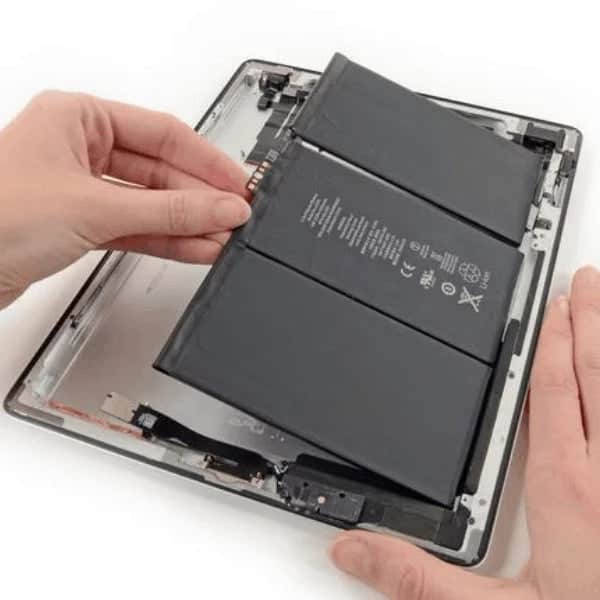
iPads, like all technology, can have issues over time. This article will help you recognize signs of a problem and give you tips for fixing it. Look out for a cracked screen, battery problems, or other hardware or software issues. If your iPad is slow, not opening apps properly, not charging, or has strange lines on the screen, it may be having issues. It’s important to catch these signs early and get your iPad repaired as soon as possible. Understanding these signs can help save your iPad from an early end.
Guide: Symptoms of a Broken or Failing iPad
iPads are durable devices, but like any electronics, they can develop issues over time or due to accidental damage. Recognizing the symptoms of a broken or failing iPad early can help you troubleshoot, seek repair, or decide on replacement. Here’s a comprehensive guide to common signs your iPad might be broken or failing:
1. Touchscreen Issues
- Unresponsive Screen: The screen doesn’t respond to taps, swipes, or gestures.
- Delayed Response: Touch inputs register late or intermittently.
- Ghost Touches: The screen registers touches you didn’t make.
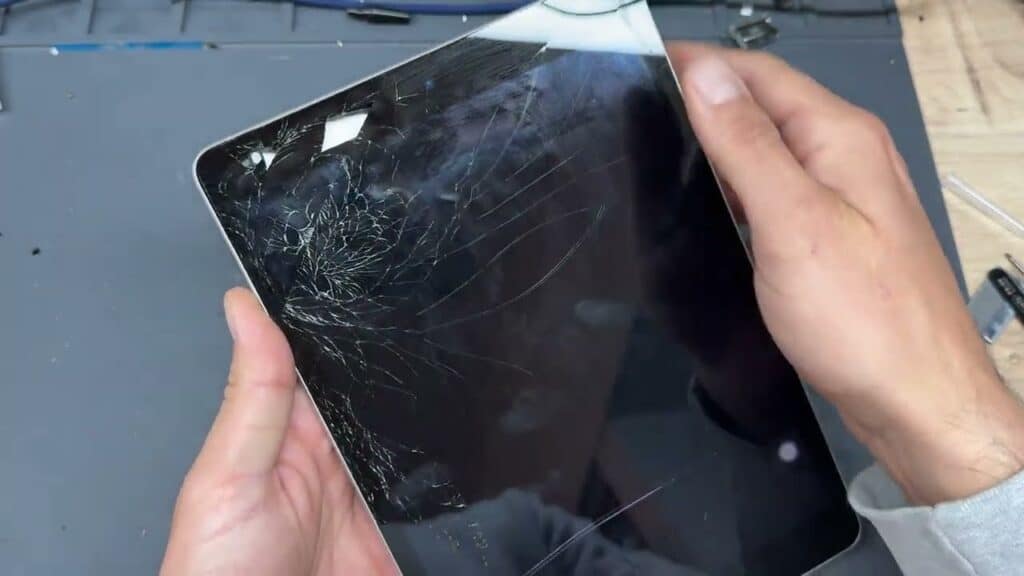
- Cracked or Damaged Digitizer: Visible cracks or glass damage often cause touch problems.
Why it happens: The digitizer (the glass layer that senses touch) can break or malfunction, causing these symptoms. Liquid damage or hardware failure can also affect touchscreen responsiveness.
2. Battery Problems
- Rapid Battery Drain: Battery percentage drops quickly even with minimal use.
- Won’t Hold a Charge: The iPad dies shortly after unplugging.
- Won’t Charge: The device doesn’t charge or charges very slowly.
- Overheating: The iPad becomes unusually hot during use or charging.
Why it happens: Battery degradation over time, faulty charging cables, or internal hardware issues can cause these problems.
3. Display Issues
- Flickering Screen: The display flickers on and off or shows inconsistent brightness.
- Black or Blank Screen: The iPad powers on but the screen stays dark.
- Lines or Distorted Colors: Vertical or horizontal lines, color distortions, or dead pixels appear.
- Screen Freezes: The display freezes and doesn’t update.
Why it happens: LCD or display connector damage, software glitches, or hardware failure.
4. Performance Problems
- Slow Operation: Apps take a long time to open or respond.
- Crashing Apps: Apps close unexpectedly or won’t open.
- Freezing or Restarting: The iPad freezes or restarts randomly.
- Unable to Update iOS: Software updates fail or cause errors.
Why it happens: Insufficient storage, software bugs, or failing internal components.
5. Audio Problems
- No Sound: Speakers produce no sound during media playback or calls.
- Distorted Audio: Sound is crackly, muffled, or distorted.
- Microphone Issues: Voice recording or calls have poor or no audio input.
Why it happens: Speaker or microphone hardware damage, software glitches, or debris blocking audio ports.
6. Connectivity Issues
- Wi-Fi or Bluetooth Won’t Connect: The iPad can’t find or maintain connections.
- Weak Signal: Poor wireless reception or frequent drops.
- Cellular Data Problems: For cellular models, inability to connect to mobile networks.
Why it happens: Antenna damage, software issues, or network problems.
7. Physical Damage Signs
- Bent or Warped Frame: The iPad’s body is visibly bent.
- Button Malfunctions: Home, volume, or power buttons don’t work or stick.
- Charging Port Issues: The port is loose, damaged, or doesn’t recognize cables.
Why it happens: Drops, impacts, or wear and tear.
What to Do If You Notice These Symptoms
- Restart Your iPad: Sometimes a simple reboot fixes temporary glitches.
- Update iOS: Ensure your device runs the latest software version.
- Reset Settings: Reset network or all settings if connectivity or software issues persist.
- Check for Physical Damage: Inspect for cracks, dents, or liquid exposure.
- Contact Apple Support or a Repair Service: For hardware issues or persistent problems, professional diagnostics and repair may be necessary.
When to Consider Repair or Replacement
- Multiple Symptoms: If several issues appear simultaneously, hardware failure is likely.
- Cost of Repair vs. Replacement: For older models, repair costs might approach or exceed replacement value.
- Warranty or AppleCare: If under warranty or AppleCare+, contact Apple for repair options.
Summary Table
| Symptom | Possible Cause | Suggested Action |
|---|---|---|
| Unresponsive touchscreen | Broken digitizer or software bug | Restart, reset, repair digitizer |
| Rapid battery drain | Battery aging or software issue | Battery replacement or update |
| Flickering or blank screen | Display or connector damage | Professional repair |
| Slow performance | Software or hardware issues | Update/reset software |
| No sound or distorted audio | Speaker or microphone failure | Clean ports or repair hardware |
| Connectivity issues | Antenna or software problems | Reset network, repair antenna |
| Physical damage | Impact or wear | Repair or replace device |
Warning Signs Your iPad Needs Repair
Display Problems
- Cracked or Shattered Screen: This is the most obvious sign of damage. It can affect the touch functionality and overall visibility.
- Unresponsive or Inaccurate Touchscreen: If your iPad isn’t responding to touch commands or registering them incorrectly, the digitizer (touch sensor) might be damaged.
- Discoloration or Distortion: Strange colors, lines, or distorted images could indicate a problem with the LCD panel.
- Dead Pixels: Small black or colored dots that don’t change when the display updates are dead pixels, usually requiring screen replacement.
- Flickering or Dimming: This could be caused by a loose connection, a failing backlight, or other hardware issues.
Battery Issues
- Rapid Battery Drain: If your iPad’s battery life is significantly shorter than usual, even with light usage, it might need replacement.
- Unexpected Shutdowns: An iPad suddenly shutting off even with battery charge remaining could signal a faulty battery.
- Swollen Battery: A visibly swollen or deformed battery is a serious safety concern and needs immediate replacement.
- Overheating: Excessive heat, especially during charging, could indicate a battery problem.
Performance and Functionality Issues
- Slow or Sluggish Performance: An aging iPad or one with too many apps running can become slow. However, persistent slowness even after a restart could point to hardware problems.
- App Crashes or Freezing: If apps frequently crash or freeze, it could be due to software issues or insufficient storage, but recurring problems might require repair.
- Overheating: Aside from battery issues, overheating can also be caused by a malfunctioning processor or other internal components.
- Charging Problems: If your iPad isn’t charging or charges very slowly, it could be a cable issue, a damaged charging port, or a battery problem.
- Speaker or Microphone Issues: Distorted audio or difficulty being heard during calls might require repairs to the speakers or microphone.
- Camera Problems: Blurry images, focusing issues, or a completely non-functional camera could indicate a hardware failure.
- Wi-Fi or Bluetooth Connectivity Problems: Frequent drops in connections or difficulty connecting could signal an issue with the wireless antennas.
- Button Malfunctions: Buttons that are stuck, unresponsive, or work intermittently might need replacement.
Water Damage
- Visible Liquid Damage: Water or other liquids inside the iPad can cause serious damage to internal components.
- Malfunctioning Features: If multiple features like the touchscreen, camera, or speakers stop working after liquid exposure, it’s likely due to water damage.
Troubleshooting Tips
- Restart: A simple restart can sometimes fix minor software glitches.
- Update Software: Ensure your iPad is running the latest iOS version to rule out software-related issues.
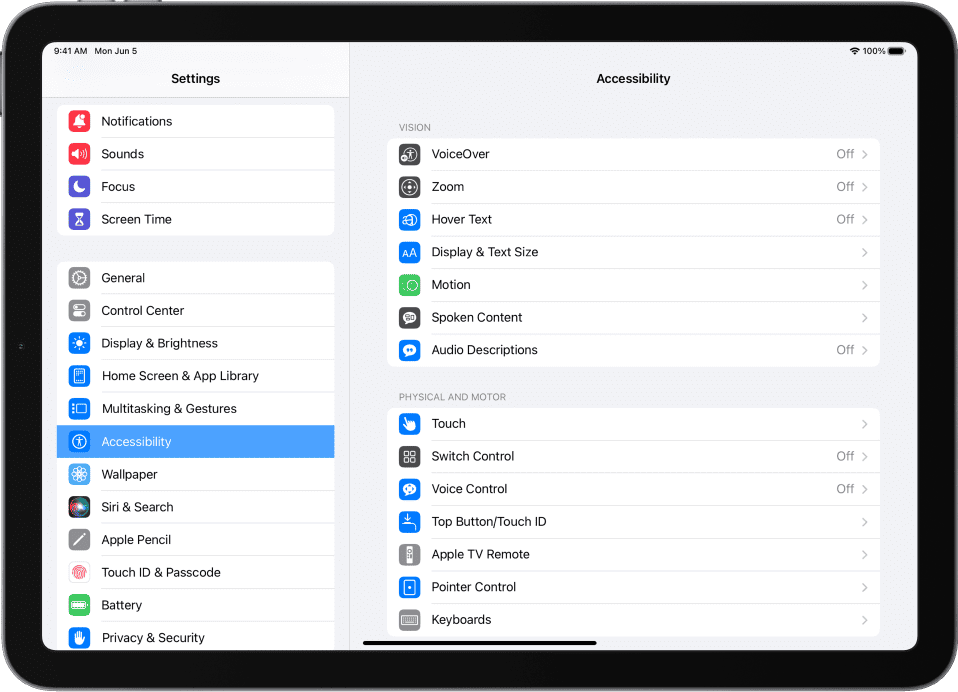
- Reset Settings: If the problem persists, you can try resetting all settings to their defaults (Settings > General > Reset > Reset All Settings).
- Restore to Factory Settings: As a last resort before seeking professional repair, you can try restoring your iPad to factory settings (make sure to back up your data first).
Failing iPad Symptoms Table
| Category | Symptom | Possible Cause |
|---|---|---|
| Display | Cracked screen | Physical damage (drop, impact) |
| Dead pixels, lines, or discoloration | Damaged display panel, loose connection | |
| Unresponsive touch screen | Faulty digitizer, software issue | |
| Ghost touches (unintended taps) | Hardware or software issue | |
| Performance | Slow performance, lagging | Aging hardware, overloaded storage, software bugs |
| Frequent app crashes or freezes | Software issues, hardware limitations | |
| Unexpected restarts or shutdowns | Hardware problems, software glitches | |
| Battery | Rapid battery drain | Aged battery, hardware issues, background app activity |
| Battery not holding a charge | Faulty battery | |
| Sound | No sound or distorted audio | Faulty speakers, water damage |
| Microphone not working | Hardware malfunction, software problem | |
| Connectivity | Wi-Fi or Bluetooth not working | Hardware failure, software bugs |
| Cellular connection issues (cellular models only) | Carrier network problems, damaged SIM card (if applicable) |
Please note: This table provides a general overview, and the specific cause of your iPad’s issue might vary. It’s recommended to consult an Apple technician or authorized service provider for a diagnosis and repair.
iPad Failing: Things To Look For
If you are dealing with something obvious (like a shattered screen) that will just take a screen replacement to fix. But if you have something more tricky like a digitizer that works only sometimes or a battery that is still working but doesn’t seem to have the same juice as it once did, it’s often times more cost-effective to get a free diagnostic on your iPad before you jump into any repair.
- Unusual Slowness: Have you noticed a sudden lag or delay in response while launching apps or switching between them? If this happens consistently, it could signal an underlying issue with your iPad’s hardware or software.
- Frequent Freezing: iPads are known for their slick and smooth operation. If yours is regularly freezing or hanging, it might be more than just an innocent glitch.
- Battery Drains Too Quickly: Apple is quite proud of its devices’ battery life. So, if you find that your iPad is losing juice faster than usual, there might be an issue with the battery or power management system. Other signs of a failing battery include taking longer than normal to charge, shutting down randomly when charged, or overheating especially while charging.
- Unresponsive Touch Screen: An iPad is nothing without its intuitive touch screen. If your screen is not responding accurately to your touch or doesn’t respond at all, that’s a glaring red flag and a possible sign of a faulty digitizer. Other signs could be a screen where the images seem to flicker or jump.
- Frequent Overheating: Electronic devices can get warm during heavy use. However, if your iPad gets hot to the touch with light use or even when idle, it could indicate an internal problem.
- Unexpected Restarts and Shutdowns: Random reboots or shutdowns can be a symptom of a failing battery or other hardware issues. It could also indicate a deeper software problem.
- Distorted Audio or Display: If the visuals on your iPad seem blurry, distorted, or pixelated, or if the audio is fuzzy, this can suggest a possible issue with your iPad’s display or sound system. Some other signs of possible LCD damage include discoloration or a black screen.
- Unsuccessful Updates: Last but not least, if your iPad consistently fails to update its software or apps, or if it’s unable to install them, this can be a symptom of a storage or software problem.
Now, while some of these symptoms might point to a simple software issue that a good old reset might fix, others might be indicating a more serious hardware problem. When in doubt, it’s always best to seek professional help. Visit your local GadgetMates location and tell us to fix your iPad! We’ll be able to diagnose and resolve your issue before something bigger happens.
Troubleshooting a Failing iPad
| Issue | Possible Solutions |
|---|---|
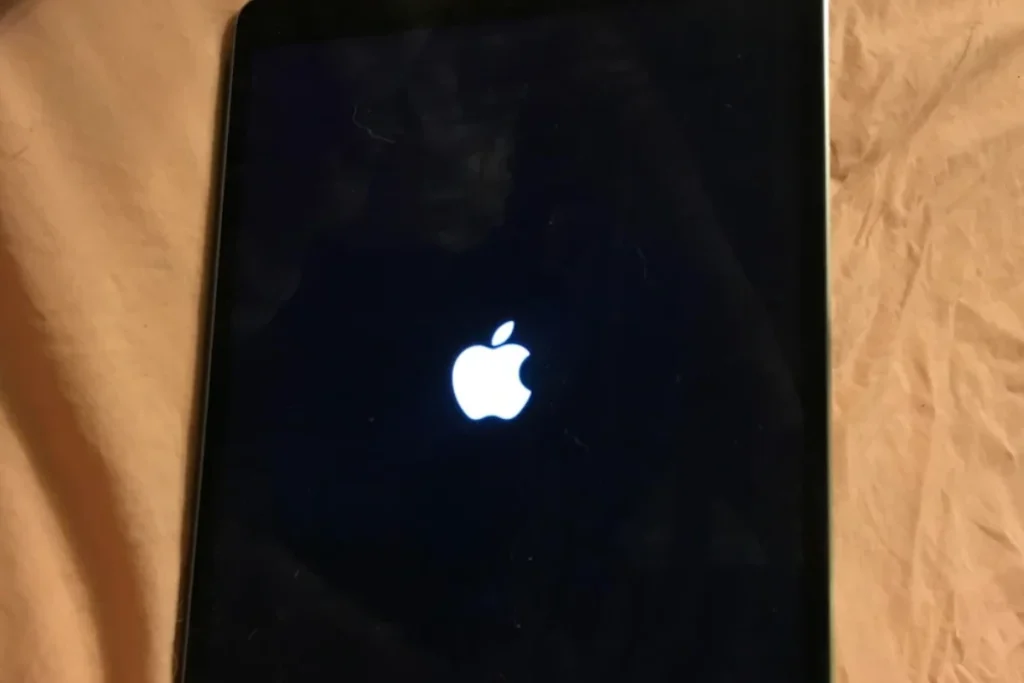
| Display Issues | * For minor software glitches: Restart your iPad by holding the power button and the volume down button (or up button on newer models) until the Apple logo appears. * For physical damage: Contact Apple Support or an authorized service provider for repair or replacement. |
| Performance Issues | * Close unused apps: Swipe up on app previews in the App Switcher to close them. * Free up storage: Delete unnecessary files, photos, and apps. Go to Settings > General > Storage to see storage usage and manage it. * Update software: Go to Settings > General > Software Update and install any available updates. * Reset iPad: This erases all data and settings. Back up your iPad before doing this (refer to the “Data Backup” section below). Go to Settings > General > Reset > Erase All Content and Settings. |
| Battery Issues | * Calibrate the battery: Though not officially recommended by Apple, some users report success with this method. However, its effectiveness is debated. Fully charge your iPad, then use it continuously until it shuts down automatically. Then, charge it uninterruptedly to 100% without using it. * Replace the battery: If calibration doesn’t help and your iPad is out of warranty, consider a battery replacement through Apple or a certified service provider. |
| Sound or Microphone Issues | * Clean the ports: Gently use a soft, dry brush to remove any debris from the charging port and microphone holes. * Restart your iPad: This can sometimes resolve software glitches causing audio issues. * Check for software updates: Install any available iOS updates, as they may include bug fixes for audio problems. * Contact Apple Support: If the issue persists, it might be a hardware problem requiring professional repair. |
| Connectivity Issues | * Restart your iPad and router/modem. * Forget Wi-Fi network and reconnect: Go to Settings > Wi-Fi, tap the network you’re connected to, then tap “Forget This Network” and re-enter the password. * Reset network settings: This will erase all saved Wi-Fi passwords, Bluetooth connections, and VPN settings. Go to Settings > General > Reset > Reset Network Settings. * (Cellular models only) Restart your cellular service: Contact your carrier or try restarting your phone if it uses the same cellular plan. |
Additional Tips:
- Data Backup: Before attempting any major troubleshooting steps, it’s crucial to back up your iPad data using iCloud or iTunes.
- Consult Apple Support: If none of the above solutions work, contact Apple Support or an authorized service provider for further assistance. They can diagnose the problem and recommend the best course of action.
- Consider professional repair: For issues beyond software troubleshooting and basic cleaning, professional repair from Apple or a certified service provider is often the best solution.