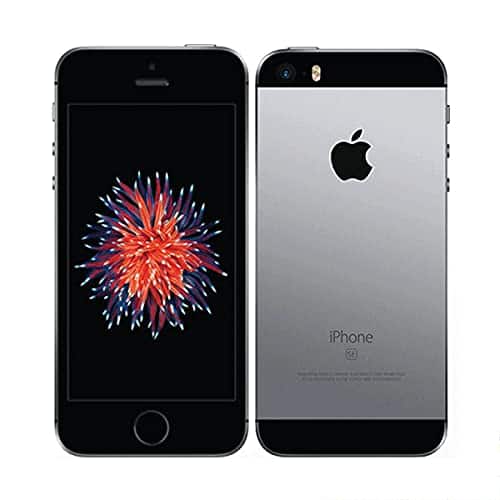
The iPhone SE, or Special Edition, marked a return to the beloved design of the smaller 4-inch iPhones. Released in 2016, this compact and affordable alternative catered to users preferring a smaller device. Apple equipped the iPhone SE with many features found in the more upscale iPhone 6s, including the powerful A9 processor, while maintaining the familiar form factor of the iPhone 5s. Despite its smaller size, the iPhone SE does not compromise on performance.
It boasts a 12MP camera capable of capturing stunning photos and 4K video, a marked improvement from earlier generations. With its comprehensive technical capabilities and the inclusion of Apple’s Touch ID for secure authentication, the iPhone SE challenges the notion that one needs a large device for a premium smartphone experience.
iPhone SE (1st Gen) Review In 2026: Is It Still Worth Using?
The original iPhone SE, released way back in March 2016, was Apple’s love letter to fans of smaller phones. Now, a full decade later in 2026, this compact device has become a true relic of the smartphone era. But can it still function as a daily driver? This comprehensive review examines the iPhone SE (1st Gen) from a 2026 perspective.
Quick Verdict
TL;DR: The iPhone SE (1st Gen) is essentially obsolete in 2026. While it may still power on and perform basic tasks, it lacks iOS support, security updates, and app compatibility. It’s best suited as a backup device, for children, or as a nostalgic piece of tech history rather than a primary smartphone.
Design and Build Quality: A Timeless Classic
The Good
- Compact Size: At 4 inches, it’s remarkably small by 2026 standards (when most phones are 6.5″+ displays)
- Premium Materials: Aluminum and glass construction still feels solid
- One-Handed Use: Perfectly sized for single-hand operation
- Build Quality: Apple’s craftsmanship means many units still feel solid after 10 years
- Headphone Jack: Yes, it has one! A rare feature in 2026
The Not-So-Good
- Incredibly Dated Look: The thick bezels and home button scream “old phone”
- Small Screen: 4-inch display feels cramped for modern apps and content
- Heavy Bezels: Massive top and bottom bezels waste space
- Limited Durability: 10-year-old adhesive may be failing, causing screen separation
- Wear and Tear: Most units show significant aging signs
Physical Specifications:
- Dimensions: 123.8 x 58.6 x 7.6 mm
- Weight: 113 grams (incredibly light by 2026 standards)
- Display: 4-inch IPS LCD, 1136 x 640 pixels (326 ppi)
- Build: Aluminum frame, glass front
- Colors: Space Gray, Silver, Gold, Rose Gold
Performance: Showing Its Age
Processing Power
- Chip: Apple A9 (from 2015)
- RAM: 2GB
- Performance in 2026: Painfully slow for most tasks
Real-World Performance:
Basic Tasks:
- ✅ Phone calls: Works fine
- ✅ Text messages: No issues
- ⚠️ Web browsing: Very slow, many modern websites struggle
- ⚠️ Email: Works but sluggish with large attachments
- ❌ Multitasking: Essentially impossible
Apps:
- ❌ Most modern apps won’t install (require newer iOS)
- ❌ Social media apps: Instagram, TikTok, Twitter/X – outdated or incompatible
- ⚠️ Streaming: Netflix, YouTube may work on older versions but with limited functionality
- ❌ Gaming: Forget about playing any modern games
- ❌ Banking apps: Most require newer iOS versions for security
Benchmark Comparison (2026):
Compared to even budget phones in 2026, the iPhone SE (1st Gen) is approximately:
- 15-20x slower than flagship phones
- 8-10x slower than budget 2026 smartphones
- 3-4x slower than mid-range phones from 2023
Software: The Biggest Problem
iOS Support Status in 2026:
- Last Supported iOS: iOS 15.8.x (ended support in late 2023)
- Years Without Updates: Approximately 3 years
- Security Patches: None since 2023
- Current iOS Version: iOS 20 (unavailable for this device)
Critical Issues:
Security Vulnerabilities:
- No security updates for 3+ years
- Vulnerable to known exploits
- Unsafe for banking or sensitive data
- Risk of malware and attacks
App Compatibility:
- Most apps require iOS 16 or later (especially in 2026)
- App Store severely limited
- Many apps won’t open even if installed
- No access to latest features
Missing Modern Features:
- No widgets
- Limited Siri functionality
- No Focus modes
- No Live Text
- No advanced privacy features
- Outdated notification system
Camera: A Decade Behind
Specifications:
- Rear Camera: 12MP, f/2.2
- Front Camera: 1.2MP, f/2.4
- Video: 4K at 30fps (rear), 720p (front)
- Features: Basic HDR, panorama
Camera Performance in 2026:
Photo Quality:
- ⚠️ Daylight: Acceptable for basic snapshots but lacks detail
- ❌ Low Light: Terrible by modern standards, very noisy
- ❌ Night Mode: Doesn’t exist
- ❌ Portrait Mode: Not available
- ❌ Computational Photography: None of the AI enhancements modern phones have
Comparison:
- Even budget phones in 2026 have 48-108MP sensors
- Modern phones have 4-5 camera arrays
- AI processing makes a massive difference
- The SE’s photos look flat and lifeless compared to 2026 standards
Video:
- 4K/30fps is the maximum (most phones do 8K/60fps in 2026)
- No stabilization beyond basic EIS
- Poor dynamic range
- Front camera video is essentially unusable
Sample Scenarios:
- Social Media: Photos look noticeably worse than everyone else’s
- Low Light/Concerts: Forget it, extremely grainy and blurry
- Video Calls: 720p front camera is pixelated and poor quality
- Document Scanning: Usable but lacks modern scanning features
Battery Life: A Major Concern
Original Specifications:
- Battery: 1,624 mAh
- Original Battery Life: Up to 13 hours talk time
Battery in 2026:
Degradation Reality:
- After 10 years, battery health is likely 60-75% (or worse)
- Maximum capacity severely diminished
- May need charging 2-3 times per day
- Battery may be swollen (safety hazard)
- Unexpected shutdowns common
Real-World Usage (2026):
- Light Use: 3-4 hours screen time max
- Moderate Use: 2-3 hours screen time
- Heavy Use: May not last through a morning
- Standby: Drains quickly even when idle
Charging:
- Only 5W charging (no fast charging)
- Takes 2+ hours to fully charge
- No wireless charging
- Lightning cable (increasingly rare in 2026)
Battery Replacement:
- Replacement batteries still available from third parties
- Apple no longer services this model
- Cost: $30-60 from third-party shops
- Extends life but doesn’t solve software obsolescence
Connectivity: Missing Modern Standards
What It Has:
- ✅ 4G LTE (still functional)
- ✅ Wi-Fi 802.11ac
- ✅ Bluetooth 4.2
- ✅ NFC (Apple Pay still works on iOS 15)
- ✅ Lightning port
- ✅ 3.5mm headphone jack
What It’s Missing:
- ❌ 5G (or 5G Advanced, standard in 2026)
- ❌ Wi-Fi 6/6E/7
- ❌ Bluetooth 5.0+ (current is 5.4+)
- ❌ UWB (Ultra Wideband)
- ❌ USB-C (Lightning is obsolete in 2026)
- ❌ eSIM support in most regions
Real-World Impact:
Internet Speeds:
- Much slower than modern 5G phones
- Noticeable lag in downloading content
- Streaming may buffer frequently
Compatibility:
- Modern accessories increasingly incompatible
- Bluetooth connection issues with new devices
- Wi-Fi struggles on crowded networks
Storage: Severely Limited
Available Configurations:
- 16GB: Absolutely unusable in 2026
- 64GB: Barely manageable for basic use
- 128GB: The only somewhat viable option
Storage Reality in 2026:
16GB Model:
- iOS takes ~8GB
- Leaves only ~8GB for apps/photos/everything
- Can store maybe 10-15 apps maximum
- Constant “Storage Full” warnings
- Essentially unusable
64GB Model:
- Can store basic apps and some media
- Still runs out quickly with photos/videos
- No room for offline content
- Manageable with heavy cloud storage use
128GB Model:
- Most practical option
- Still limited by 2026 standards (when 512GB-2TB is common)
- Adequate for basic use if you manage storage carefully
Special Features (or Lack Thereof)
What Works:
- ✅ Touch ID (fingerprint sensor still functions well)
- ✅ Apple Pay (as long as iOS supports it)
- ✅ Basic phone functions
- ✅ iMessage (if not outdated by server requirements)
What’s Missing Compared to 2026 Standards:
- ❌ Face ID
- ❌ LiDAR
- ❌ Always-On Display
- ❌ 120Hz+ refresh rate (stuck at 60Hz)
- ❌ Reverse wireless charging
- ❌ Satellite connectivity
- ❌ Advanced health sensors
- ❌ AI chip/NPU for on-device processing
- ❌ Augmented reality features
- ❌ Spatial video/3D capture
- ❌ Advanced crash detection
- ❌ Emergency SOS via satellite
Who Should (or Shouldn’t) Use It in 2026
Potentially Suitable For:
1. Young Children:
- First phone for kids
- Limited internet access might be a feature
- Durable and inexpensive
- Easy parental controls
2. Emergency Backup Device:
- Keep in a drawer for emergencies
- Basic calls and texts only
- Not reliable for anything important
3. Dedicated Music Player:
- Has a headphone jack!
- Load with music and use offline
- Better than nothing for the gym
4. Tech Collectors/Nostalgia:
- Historical significance
- Retro appeal
- Part of Apple collection
5. Extremely Light Users:
- Elderly users who only need calls/texts
- Digital detox device
- Deliberately limited functionality
NOT Suitable For:
- ❌ Anyone needing reliable daily smartphone use
- ❌ Business or work purposes
- ❌ Social media users
- ❌ Photography enthusiasts
- ❌ Mobile gamers
- ❌ Anyone needing modern app support
- ❌ Security-conscious users
- ❌ Heavy internet users
Pricing and Value in 2026
Current Market Value:
- Used Market: $20-50 depending on condition
- Working Condition: $30-40 typical
- Like New (rare): $50-75 for collectors
- Parts/Non-Working: $10-20
Is It Worth Buying in 2026?
As a Primary Phone: Absolutely not As a Backup: Maybe, if you get it for under $30 For Collection: Sure, if you’re interested in tech history For a Child: Only if it’s essentially free
Better Alternatives in 2026:
Even on a tight budget, you’re better off with:
- iPhone SE 2nd Gen (2020): $100-150 used, far more capable
- iPhone SE 3rd Gen (2022): $150-200 used, much better
- iPhone 11: $150-200 used, significantly superior
- Budget Android phones: $100-200 new with modern features
- Older flagships (2022-2023): $200-300, vastly better experience
iPhone SE (1st Gen): A Compact Powerhouse Still Holding Its Own in 2024
Overview
The original iPhone SE, released in 2016, made a splash with its combination of a small form factor and flagship-level performance. It quickly became a favorite for those who preferred smaller phones or sought a more affordable entry into the iOS ecosystem.
Design and Display
The SE’s design is a throwback to the iPhone 5 era, featuring a compact 4-inch Retina display with a resolution of 1136 x 640 pixels. While some may find the bezels chunky by today’s standards, the phone’s overall build quality remains solid and comfortable to hold. The smaller size makes it easy to use one-handed and slip into a pocket.
Performance and Software
The SE packs the same A9 chip found in the iPhone 6S, delivering smooth performance for everyday tasks and even demanding games. Despite its age, the SE can still handle most modern apps with ease. However, software updates have become limited, with iOS 15 being the final major update.
Camera
The SE’s 12MP rear camera may not boast the latest features, but it still captures sharp and detailed photos in good lighting. The camera also supports 4K video recording at 30fps. While low-light performance is lacking compared to newer models, the SE’s camera remains a reliable tool for everyday photography.
Battery Life
The SE’s battery life is its weakest point, often struggling to last a full day with moderate to heavy use. Users who rely on their phones for extended periods may need to carry a charger or portable battery pack.
Specifications
| Specification | Details |
|---|---|
| Display | 4-inch Retina display (1136 x 640) |
| Processor | A9 chip |
| Storage | 16GB, 32GB, 64GB, 128GB |
| Rear Camera | 12MP |
| Front Camera | 1.2MP |
| Battery | Non-removable Li-Ion |
| Dimensions | 123.8 x 58.6 x 7.6 mm |
| Weight | 113 g |
Who Should Buy It?
The iPhone SE (1st Gen) is a great option for those who:
- Prefer smaller phones
- Want a budget-friendly iPhone
- Prioritize performance over the latest features
- Don’t mind limited software updates
Alternatives
- iPhone SE (2nd Gen or 3rd Gen): Offers a newer design, better camera, and longer software support.
- iPhone 12 mini or 13 mini: Provides a more modern design with better cameras and longer battery life, albeit at a higher price.
- Used or refurbished iPhones: Can be a more affordable way to get a newer model.
Final Thoughts
While the iPhone SE (1st Gen) shows its age in some areas, it remains a capable and affordable smartphone for those who value its compact size and reliable performance.
Key Takeaways
- The iPhone SE integrates high-end features into a compact 4-inch design.
- It houses the A9 chip and a 12MP camera, offering robust performance and capabilities.
- Apple’s inclusion of Touch ID in the SE provides advanced security in a small format.
Technical Specifications and Features
The iPhone SE 1st generation brought a compact form factor with the power of advanced internal hardware reminiscent of the iPhone 6s. It catered to the segment of users looking for a smaller and less costly iPhone but without a significant compromise on performance and quality.
Design and Build Quality
The iPhone SE features a beloved classic design with an aluminum body that’s light and compact. Dimensions of 123.8 x 58.6 x 7.6mm and weight of 113 grams make it notably easy to handle. Its build quality is robust, given its lineage, borrowing cues from the iPhone 5s, finished with Space Gray, Silver, Gold, and Rose Gold.
Hardware and Performance
Powered by the Apple A9 chip, the iPhone SE’s hardware matches the iPhone 6s with a dual-core processor and embedded M9 motion coprocessor. There’s unyielding performance with options of 16GB, 32GB, 64GB, or 128GB storage. RAM sits at 2GB, and it features a 4-core GPU for graphics. Battery life is resilient considering the phone’s age.
Display and Camera
The 4-inch Retina display boasts a resolution of 1136 x 640 pixels, at a pixel density of 326 ppi. For photography, it offers a 12 MP rear camera with capabilities such as Live Photos and 4K video recording at 30 fps. The front faces with a 1.2 MP camera with Retina Flash, signaling modest, yet capable imaging technology.
Software and Ecosystem
Out of the box, the iPhone SE runs iOS 9.3, but it’s eligible for updates that significantly extend its usability over time. The integration with the Apple ecosystem allows it to work seamlessly with Macs, iPads, and Apple Watch, providing an interconnected experience.
Connectivity and Sensors
The device includes essential sensors like Touch ID integrated into the Home button, an accelerometer, ambient light sensor, and proximity sensor, among others. Connectivity options are comprehensive, with support for NFC (for Apple Pay), GPS, Bluetooth 4.2, Wi-Fi, and LTE for fast internet access.
Media Capabilities
The iPhone SE provides media capabilities with support for playback of 720p and 1080p videos. Its speaker system and microphone enable clear audio for calls and media. The Lightning connector, a standard for Apple devices, ensures seamless synchronization and charging.