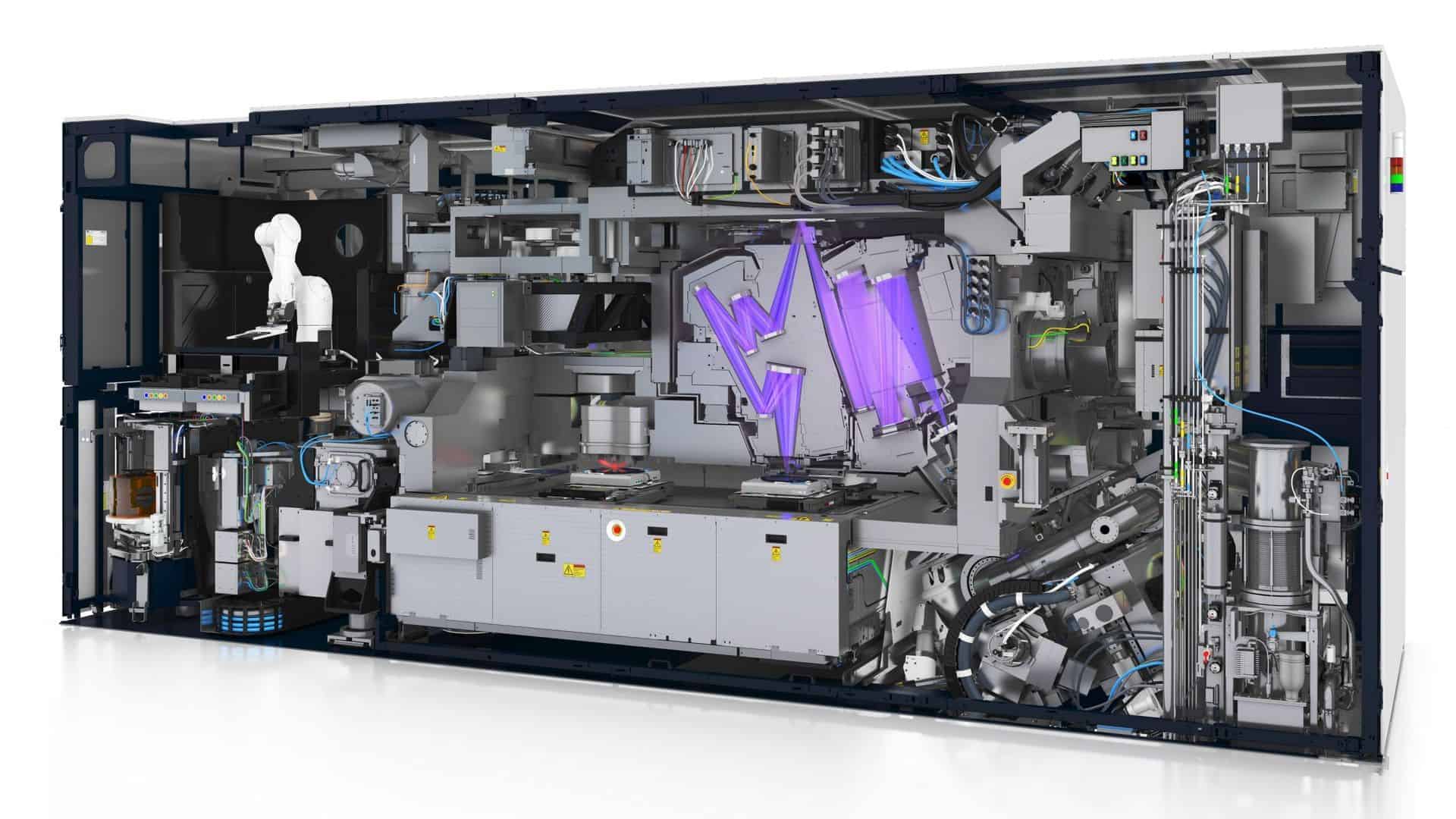
ASML, a company established in the Netherlands in 1984, is an important player in the global semiconductor industry. The company is known for its photolithography systems, which are critical for chip manufacturing. ASML’s technology plays a key role in enabling the production of advanced technology, and its machines are highly sought after worldwide. The company is a global leader in technology, specializing in lithography systems that are crucial for manufacturing semiconductor chips. ASML’s advanced technology and strong market position drive advancements in various industries.

The company has a diverse client base, including major semiconductor manufacturers like Taiwan Semiconductor Manufacturing Co., and its influence spans global markets. ASML’s ambitious approach to overcoming technical challenges within the semiconductor space is reflected in its trajectory. The company’s developments in lithography have helped to create smaller, more powerful microchips that are essential for a wide range of modern technologies.
ASML: A Complete Guide
ASML Holding N.V. is a Dutch multinational corporation that has become one of the most important—yet relatively unknown—companies in the modern technology industry. If you’ve never heard of ASML, you’re not alone, but this company plays an absolutely critical role in making the digital world possible.
What Does ASML Do?
ASML specializes in designing, developing, and manufacturing photolithography machines (also called lithography systems) for the semiconductor industry (source: Wikipedia). These machines are essential equipment used by chipmakers to produce integrated circuits and microchips that power everything from smartphones to computers to cars.
The company’s name originally stood for Advanced Semiconductor Materials Lithography (source: Wikipedia), though it’s now commonly known simply as ASML.
Why ASML Matters
ASML is the world’s leading supplier of photolithography systems for the semiconductor industry (source: ASML). More importantly, it holds a unique monopoly position: ASML is the only company in the world that produces Extreme Ultraviolet (EUV) lithography systems (source: Semafor).
This technology is hyper-advanced and etches incredibly precise patterns and structures onto tiny silicon wafers, which then become the chips that power modern electronics. Without ASML’s machines, producing today’s most advanced microchips would be impossible.
Company Background
- Founded: 1984 in the Netherlands (source: World History Journal)
- Headquarters: Veldhoven, Netherlands (source: FirmsWorld)
- Evolution: ASML has transformed from a small startup to a key player and cornerstone of the global semiconductor industry (source: World History Journal)
ASML’s Flagship Technology: EUV Lithography
ASML’s most significant innovation is its Extreme Ultraviolet (EUV) lithography systems, including the NXE:3600D model (source: FinanceCharts). This groundbreaking technology enables the production of smaller and more powerful microchips by using extremely short wavelengths of light to create incredibly tiny circuit patterns on silicon wafers.
EUV technology represents decades of research and development, and ASML’s monopoly on this technology makes it indispensable to semiconductor manufacturers worldwide.
Global Importance
ASML is a globally-important chip company (source: Semafor) because:
- No alternatives exist: No other company can manufacture EUV lithography machines
- Critical supply chain position: All advanced chip manufacturers depend on ASML’s equipment
- Enables innovation: Modern computing advances rely on ASML’s technology to create more powerful, efficient chips
- Geopolitical significance: Control over this technology has become a strategic concern for nations worldwide
Who Uses ASML’s Machines?
Major semiconductor manufacturers like TSMC, Samsung, and Intel rely on ASML’s equipment to produce cutting-edge chips for companies like Apple, NVIDIA, AMD, and Qualcomm.
The Bottom Line
While ASML may not be a household name, it’s one of the most critical companies in the global technology ecosystem. Every time you use a smartphone, laptop, or modern electronic device, there’s a good chance the chips inside were made using ASML’s lithography machines. The company’s monopoly on EUV technology makes it an irreplaceable player in the semiconductor industry and a key enabler of technological progress.
A Closer Look at the Tech Giant
What Does ASML Do?
ASML specializes in the development and manufacturing of photolithography systems. These complex machines are essential for producing computer chips, using light to etch intricate patterns onto silicon wafers. ASML’s technology enables the creation of increasingly smaller and more powerful chips, fueling advancements in various industries.
ASML’s Unique Position in the Market
ASML holds a unique position as the world’s leading provider of extreme ultraviolet (EUV) lithography systems. EUV technology is crucial for producing the most advanced chips, and ASML’s expertise in this area has made them a key player in the global semiconductor industry.
Impact on Various Industries
ASML’s technology has a far-reaching impact on various sectors. Their machines are used to create chips that power smartphones, computers, cars, medical devices, and more. By pushing the boundaries of chip technology, ASML contributes to innovation and progress across multiple industries.
Company Overview
| Aspect | Description |
|---|---|
| Founded | 1984 |
| Headquarters | Veldhoven, Netherlands |
| Employees | Over 39,000 |
| Revenue | €21.2 billion (2023) |
| Stock Symbol | ASML (NASDAQ) |
Key Products
ASML offers a range of lithography systems, including:
- EUV Systems: The most advanced systems for producing cutting-edge chips.
- DUV Systems: Widely used for manufacturing a variety of chips.
- Immersion Lithography Systems: Enhance resolution and productivity in chip manufacturing.
- Metrology and Inspection Systems: Ensure the quality and accuracy of chip production.
Key Takeaways
- ASML stands as a leader in producing photolithography machines used in semiconductor manufacturing.
- Its foundational ties to the Netherlands have blossomed into a significant global presence.
- The company’s progress and innovations continue to shape the future of technology and industry.
Understanding ASML’s Role in Semiconductor Industry
ASML is a key player in the chip-making process, providing essential technology for global semiconductor production.
Company Overview and Global Impact
ASML, based in the Netherlands, designs and manufactures critical lithography systems used by chipmakers. These systems are crucial for producing microchips found in various electronic devices. ASML’s impact is global, with significant contributions to the technology sector in the EU, US, China, and other regions.
Innovations in Lithography Technology
In the field of lithography, ASML stands out with its advanced technology. They develop complex machines that allow the industry to create smaller, more powerful microchips. Innovation at ASML drives the semiconductor industry, pushing the boundaries of chip development.
Market Presence and Competitive Landscape
ASML has established a dominant position in the market, being the only supplier of extreme ultraviolet (EUV) lithography machines. Their presence has shaped the competitive landscape, influencing how chipmakers like Intel, TSMC, and Samsung operate. ASML works with these customers and more, enabling advancements in semiconductor production.
Strategic Partnerships and Customer Relations
The company’s success is tied to strong relations with major customers and strategic collaborations. ASML’s partnerships with leaders in the semiconductor industry foster a collaborative environment. This collaboration aids in addressing the complex demands of chip production and emphasizes the company’s commitment to its clients.
Company Dynamics and Future Outlook
ASML stands as a key player in the semiconductor industry, shaping the tech landscape with innovative photolithography systems. This section explores the company’s internal mechanics and its trajectory in a shifting global market.
Leadership and Corporate Strategy
Peter Wennink, ASML’s CEO, leads with a strategy focused on long-term growth and sustainability. The company invests heavily in research and development (R&D) to stay at the forefront of innovation, a decision that bolsters its position in the semiconductor industry. ASML’s leaders prioritize employee talent and skill, which is evident in their cutting-edge products and strong market performance.
Research, Development, and Manufacturing
ASML’s dedication to research is central to their success. They host numerous R&D labs, where a diverse team of employees works to refine existing technologies and innovate new ones. In manufacturing, ASML takes pride in its efficient and scalable processes, ensuring they meet the industry’s rising demand. Their commitment to innovation in both R&D and manufacturing results in consistent growth and a fortified market position.
Economic and Regulatory Challenges
The company faces evolving economic challenges, including the dynamic relationships between the EU, US, and China. Export licenses, especially sales to China, are subject to regulations by the Biden administration in light of national security concerns. ASML carefully navigates these challenges while maintaining a solid profit. They work within these regulatory frameworks to meet sales expectations and manage their valuation, which reflects the company’s strength and potential in the global semiconductor market.
Frequently Asked Questions
In this section, we will cover some of the most common inquiries about ASML, a leading figure in the semiconductor industry.
What does ASML specialize in within the semiconductor industry?
ASML is known for its advanced photolithography machines. These are essential tools in the chip-making process that help create intricate circuits on semiconductors.
What are the primary products or services provided by ASML?
The company designs and manufactures lithography machines, which are critical for producing microchips. These machines use light to print tiny patterns on silicon wafers.
How does ASML’s market share compare within the semiconductor sector?
ASML holds a significant portion of the market for photolithography systems, making it a key player in the semiconductor space.
Which entities are included in ASML Holding’s subsidiaries?
ASML’s subsidiaries support its core business, with each entity focusing on specific aspects of the semiconductor manufacturing process, like metrology and software.
What is the significance of ASML in the global semiconductor supply chain compared to TSMC?
While TSMC manufactures the chips themselves, ASML provides the necessary equipment for chip production, making their roles in the supply chain distinct yet equally vital.
Who are the major clientele for ASML’s semiconductor equipment?
Major chipmakers like Intel and Taiwan Semiconductor Manufacturing Company rely on ASML’s equipment for their chip production needs.