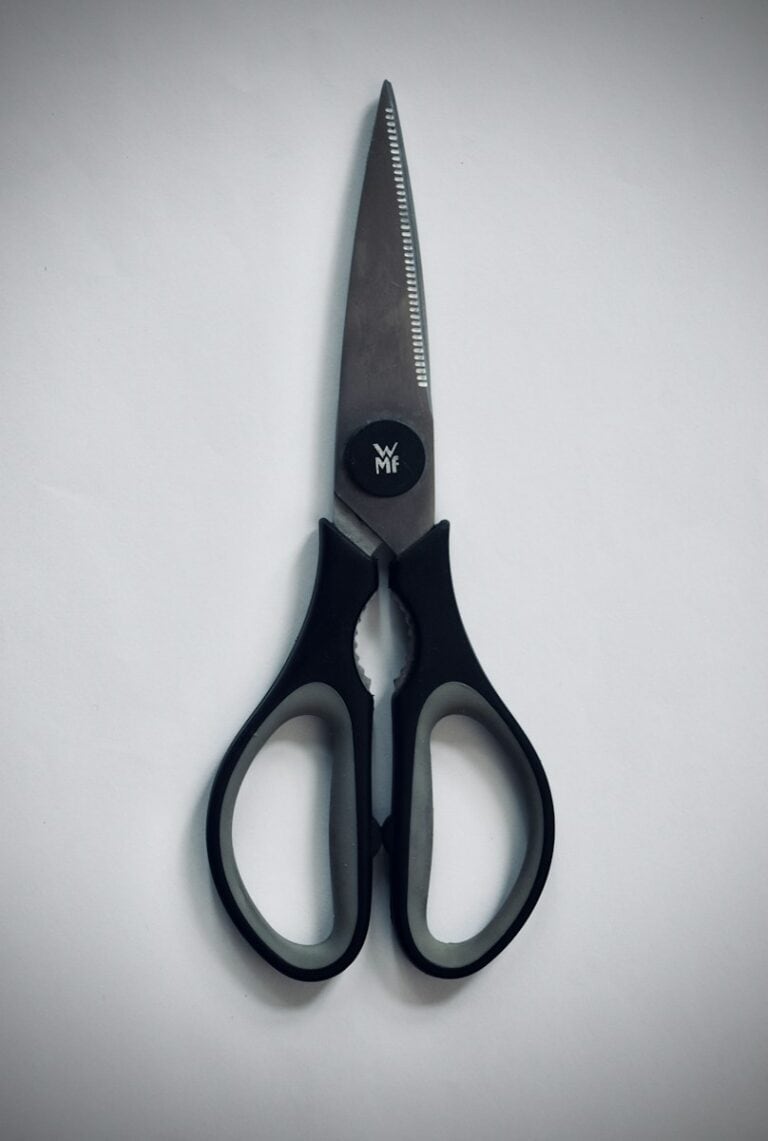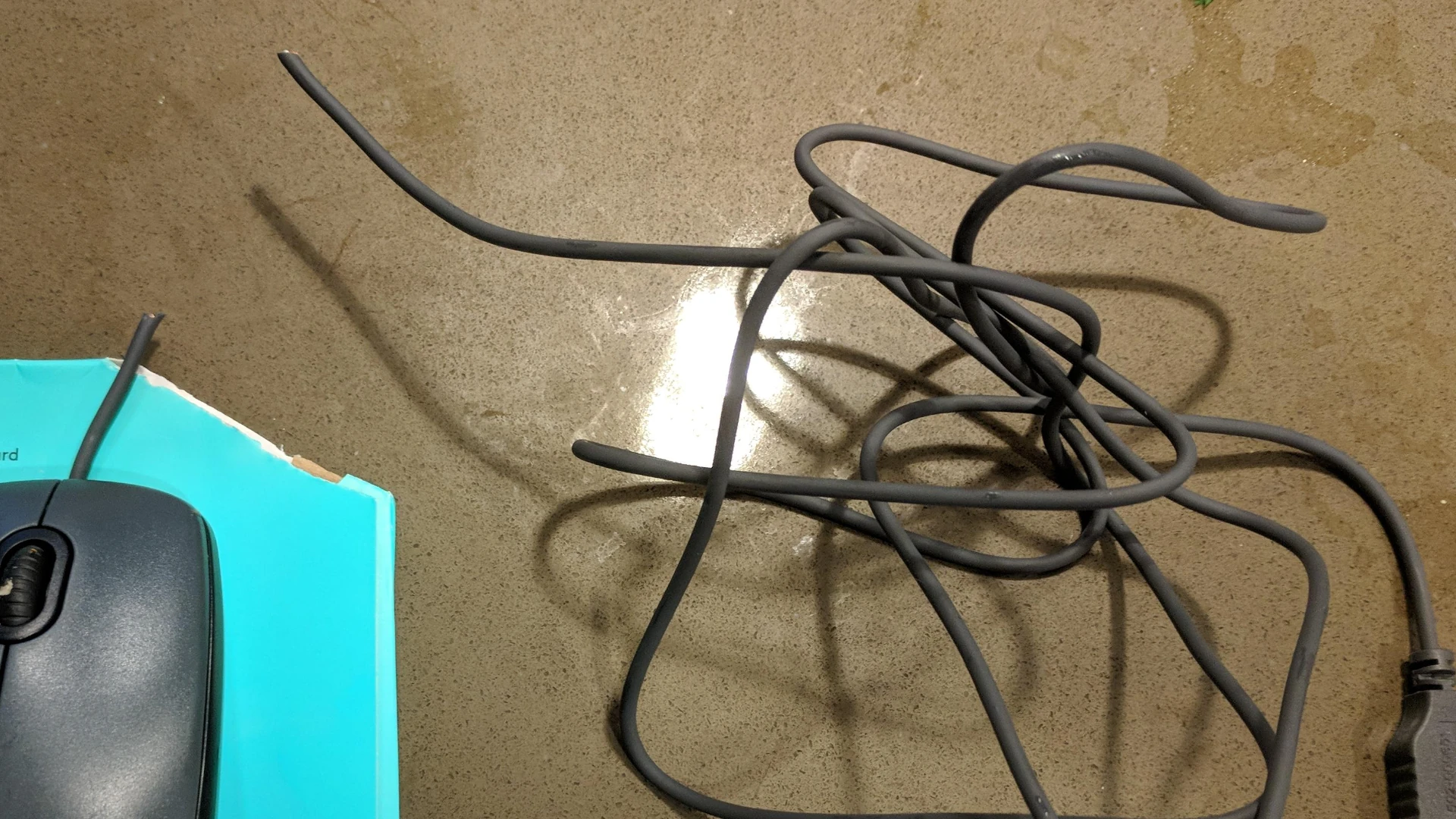
Some manufacturers, like Razer, require customers to cut their device’s wire before processing warranty claims. This practice serves as fraud prevention by confirming the customer possesses the product and ensuring it cannot be resold or reused after replacement. Requiring visual proof of deactivation protects companies from fraudulent claims while streamlining the warranty process. This procedure maintains the integrity of warranty programs and provides security for both manufacturers and consumers.
The “Cut the Cord” RMA Policy
Preventing Fraudulent Claims
Cutting the cord serves as proof that you’re not trying to pull a fast one. It’s a way for the company to verify that you’re not returning a perfectly good product for a refund or replacement.
Ensuring Safety and Preventing Resale
For certain products, like recalled items or those deemed unsafe, cutting the cord renders them unusable. This is to prevent them from being resold or accidentally used by someone else, which could pose a safety risk.
Simplifying Returns and Lowering Costs
Instead of asking customers to ship back the entire product, which can be costly and time-consuming, having them cut the cord simplifies the return process. This also saves the company money on shipping and handling fees.
Not Always Required
Not all manufacturers require you to cut the cord for warranty service. Some may ask for photos or videos as proof of damage, while others may have you ship the entire product back. It all depends on the company’s specific policies.
What to Do If Asked to Cut the Cord
If a manufacturer asks you to cut the cord, follow their instructions carefully. They usually have specific guidelines on where to cut and how to dispose of the damaged product. Keep a copy of any communication with the company and the proof of purchase, just in case you need them later.
Alternatives to Cutting the Cord
If you’re uncomfortable with cutting the cord, you can try negotiating with the company. They might be willing to accept photos or videos of the damage instead. Some companies may also offer a prepaid return label for you to send the product back.
Know Your Rights as a Consumer
Remember that you have consumer rights, and manufacturers cannot force you to do anything that’s not required by law. If you’re unsure about a company’s policy, research it thoroughly or seek advice from a consumer protection agency.
Table: Pros and Cons of Cutting the Cord for Warranty Service
| Pros | Cons |
|---|---|
| Prevents fraudulent claims | Can be inconvenient for the customer |
| Ensures safety and prevents resale of damaged products | May raise environmental concerns if not disposed of properly |
| Simplifies returns and lowers costs for the company | Might seem like a hassle for minor issues |
| Provides clear proof of damage | Doesn’t apply to all products or manufacturers |
Key Takeaways
- Cutting the product wire is a fraud prevention measure during a warranty claim.
- Manufacturers use visual proof to confirm possession and compliance.
- Warranty terms are designed to offer assurance and protect both parties.
Understanding Warranty Requirements
Manufacturers stipulate specific warranty requirements to ensure a product’s issue can be assessed and addressed adequately. The warranty stands as a promise by the manufacturer, offering assurance to address defects or failures within a predetermined warranty period.
Documentation, typically a receipt or proof of purchase, is crucial to validate a warranty claim. Manufacturers may request seemingly unusual actions, such as cutting wires, to prevent re-use or resale of the product, signifying the product has been subject to warranty work.
Written warranties provide detailed information about what the warranty covers, such as repairs, replacement, or refund options. They also outline what actions on the consumer’s part may void the warranty, such as misuse or improper maintenance. Implied warranties, however, derive from the Magnuson-Moss Warranty Act, providing basic protection that a product will work as claimed.
Retailers and manufacturers may offer extended warranties for additional coverage. Under these, the implied warranty of merchantability ensures that merchandise is fit for ordinary purposes, while an express warranty explicitly states what the seller promises about the item.
It’s important to read the fine print to grasp the scope and limitations of the coverage. Lifetime warranties may not always mean the purchaser’s lifetime, but could refer to the expected product lifetime.
For issues like product failure or substantial defects, a formal claim process is in place – often necessitating service contracts and additional documentation. Manufacturer warranties require adherence to their terms for resolving issues, which may include the condition that the consumer not return the product but rather provide evidence such as a cut wire to claim service.