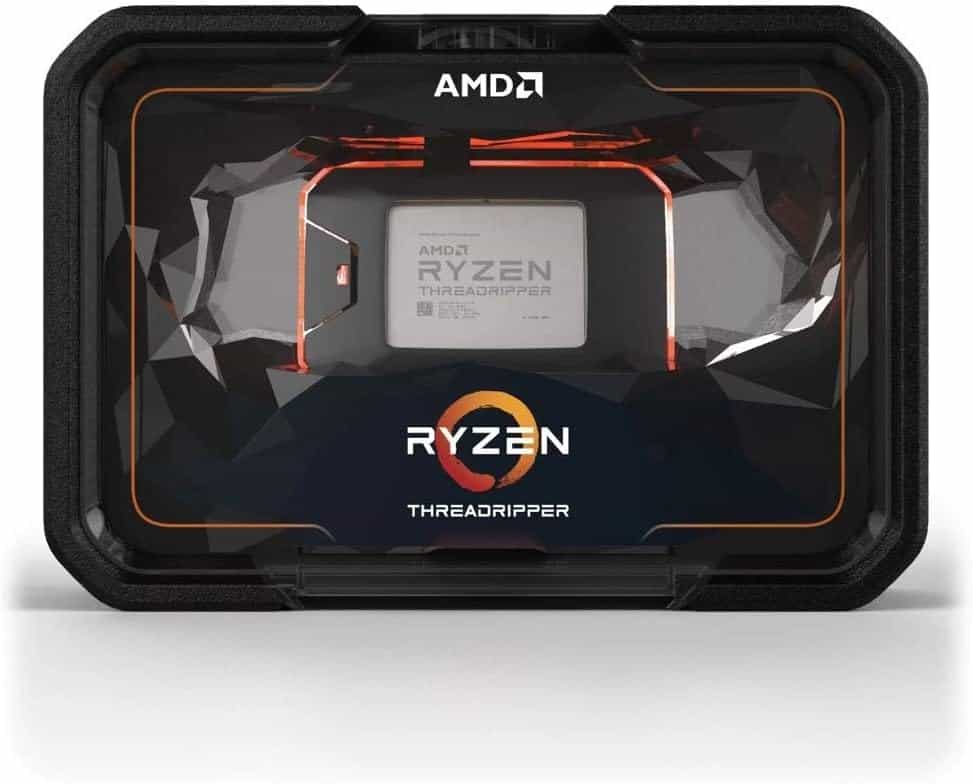
AMD’s Threadripper is a powerful line of central processing units (CPUs) designed for high-end desktop (HEDT) and workstation computers. These processors are built to handle heavy workloads with ease, making them ideal for professionals like artists, architects, and engineers. Threadripper CPUs can feature up to 64 cores and 128 threads, providing unparalleled multi-threaded performance.
Threadripper processors use AMD’s renowned Zen architecture, which ensures top-notch power and performance. These CPUs are equipped with multiple memory channels and high clock speeds, further enhancing their ability to tackle demanding tasks efficiently. This makes them highly suitable for applications that require substantial computational power.
Content creators and users in need of optimized, high-performing systems will find Threadripper to be an excellent choice. Its robust design and impressive capabilities make it a standout option for those looking to push the boundaries of their creative and professional projects.
What Is AMD Threadripper? A Complete Beginner’s Guide
AMD Threadripper is a line of ultra‑high‑performance desktop (HEDT) processors designed for professionals and power users who need extreme computing power. These CPUs are built for tasks that demand massive multi‑core performance, high memory bandwidth, and extensive PCIe connectivity—far beyond what standard consumer processors offer.
In Simple Terms
AMD Threadripper is made for:
- 3D artists
- Video editors
- Engineers and architects
- Software developers
- Data scientists
- Enthusiast PC builders
If regular CPUs are sports cars, Threadripper is a heavy‑duty race truck built to handle extreme workloads all day long.
Key Features of AMD Threadripper
1. Extremely High Core and Thread Counts
Threadripper CPUs offer far more cores than standard desktop processors.
- Up to 64 cores / 128 threads (Threadripper Pro)
- Ideal for multitasking and parallel workloads
- Massive gains in rendering, compiling, and simulation
2. Built on AMD’s Zen Architecture
Threadripper uses AMD’s Zen CPU architecture, the same foundation as Ryzen and EPYC, but scaled up for professional use.
Benefits include:
- High efficiency
- Strong multi‑threaded performance
- Competitive single‑core speeds
3. Massive Memory Support
Threadripper supports:
- Quad‑channel or eight‑channel memory
- Very high RAM capacities
- ECC memory support (Threadripper Pro)
This is crucial for:
- Large datasets
- Complex 3D scenes
- Professional workloads that need stability
4. Huge PCIe Lane Count
Threadripper provides significantly more PCIe lanes than standard CPUs.
- Up to 128 PCIe lanes
- Supports multiple GPUs
- Ideal for NVMe storage arrays
- Perfect for workstations with expansion cards
5. Built for Workstations, Not Casual PCs
Threadripper systems are:
- Larger
- More power‑hungry
- More expensive
They’re designed for sustained heavy workloads, not basic office or gaming PCs.
Threadripper vs Ryzen: What’s the Difference?
| Feature | Ryzen | Threadripper |
|---|---|---|
| Target User | Mainstream & gaming | Professional & enthusiast |
| Max Cores | Up to 16 | Up to 64 |
| Memory Channels | Dual | Quad / Eight |
| PCIe Lanes | Limited | Massive |
| Price | Affordable | Premium |
If you’re mostly gaming, Ryzen is the better choice. Threadripper shines in productivity.
Threadripper vs Intel Xeon
Threadripper competes directly with Intel Xeon workstation CPUs.
Advantages of Threadripper:
- Higher core counts at similar prices
- Better PCIe lane availability
- Stronger performance per dollar
Advantages of Xeon:
- Long‑term enterprise support
- Platform longevity in some environments
What Can You Do With AMD Threadripper?
Threadripper excels at:
- 3D rendering (Blender, Maya)
- Video editing (Premiere Pro, DaVinci Resolve)
- Software compilation
- Virtual machines
- AI and machine learning workloads
- Scientific simulations
Threadripper Pro: What’s Different?
Threadripper Pro is a more advanced version designed for enterprise‑grade workstations.
Extra features include:
- Up to 8‑channel memory
- 128 PCIe lanes
- Full ECC memory support
- Enhanced security and manageability
It’s commonly found in professional prebuilt workstations.
Is AMD Threadripper Good for Gaming?
Threadripper can run games, but it’s not ideal:
- Lower gaming performance compared to high‑clock Ryzen CPUs
- Higher cost and power consumption
- Designed for productivity, not frame‑rate optimization
Gamers should choose Ryzen 7 or Ryzen 9 instead.
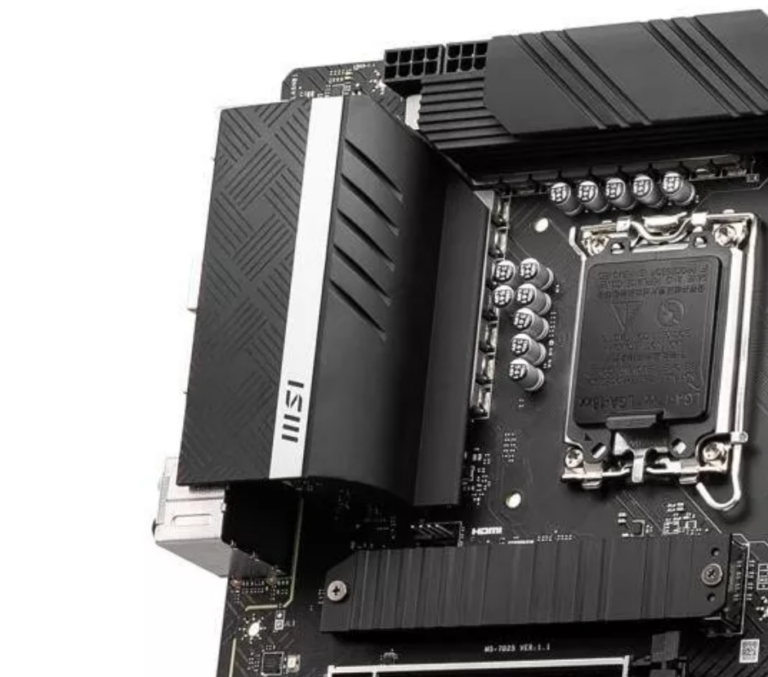
Do You Need a Special Motherboard?
Yes. Threadripper requires:
- TRX or sTRX socket motherboards
- High‑end VRMs
- Large cases and robust cooling solutions
Standard motherboards are not compatible.
Pros and Cons of AMD Threadripper
✅ Pros
- Unmatched multi‑core performance
- Excellent for professional workloads
- Huge expansion capability
- Strong value for high‑end users
❌ Cons
- Expensive CPU and motherboard
- High power usage
- Overkill for most users
- Not ideal for gaming‑focused builds
Final Verdict: What Is AMD Threadripper?
AMD Threadripper is a top‑tier workstation CPU platform built for users who need extreme performance, massive expansion, and reliability. It’s not meant for casual computing—but for professionals, it can dramatically reduce workload times and boost productivity.
Should You Choose Threadripper?
Choose Threadripper if you:
- Do heavy rendering or compiling
- Use multiple GPUs
- Run virtual machines regularly
- Need maximum performance per workstation
AMD Threadripper: Unleashing Multi-Core Power
Unmatched Core Counts and Threading
AMD Threadripper processors stand out for their exceptional core and thread counts, offering up to 64 cores and 128 threads. This makes them ideal for professionals and enthusiasts who demand the highest levels of multitasking and multithreaded performance. Whether you’re editing 8K videos, rendering complex 3D scenes, or running simulations, Threadripper can handle it all with ease.
Exceptional Performance for Demanding Workloads
Threadripper’s high core and thread count, coupled with its fast clock speeds and large cache sizes, make it a powerhouse for demanding workloads. It excels in content creation, scientific computing, software development, and other tasks that benefit from parallel processing.
Platform and Features
Threadripper processors are based on AMD’s sTRX4 or WRX8 socket and utilize the TRX40 or WRX80 chipset, respectively. These platforms offer numerous PCIe lanes for multiple GPUs, high-speed storage devices, and other peripherals. Additionally, Threadripper supports overclocking, allowing users to further boost performance.
Target Audience and Use Cases
Threadripper is primarily targeted towards professionals and enthusiasts who require extreme performance for demanding workloads. This includes video editors, 3D animators, architects, engineers, software developers, and content creators who work with large datasets or complex projects.
Comparing Threadripper Generations
| Generation | Socket | Chipset | Max Cores/Threads | PCIe Lanes | Memory Support |
|---|---|---|---|---|---|
| 1st Gen | TR4 | X399 | 16/32 | 64 | Quad-channel DDR4 |
| 2nd Gen | TR4 | X399 | 32/64 | 64 | Quad-channel DDR4 |
| 3rd Gen | sTRX4 | TRX40 | 64/128 | 72 | Quad-channel DDR4 |
| PRO 3000 | sTRX4 | TRX40 | 64/128 | 128 | Octa-channel DDR4 |
| PRO 5000 | sTRX4 | WRX80 | 64/128 | 128 | Octa-channel DDR4 |
Overall
AMD Threadripper processors deliver exceptional performance and capabilities for professionals and enthusiasts who demand the very best. With their unmatched core counts, powerful features, and versatile platforms, Threadripper is the ultimate solution for those seeking to push the boundaries of their creative and productive endeavors.
Key Takeaways
- Threadripper CPUs can have up to 64 cores and 128 threads.
- AMD’s Zen architecture enhances Threadripper’s power and performance.
- Ideal for demanding professionals and content creators.
Exploring AMD Ryzen Threadripper Series
The AMD Ryzen Threadripper series is known for its robust performance and high core counts. This section explores its architecture, performance capabilities, variants, comparisons with Intel, market positioning, and future insights.
Threadripper Architecture and Design
The AMD Ryzen Threadripper processors feature the innovative “Zen” architecture. These CPUs are built with a multi-core design, sporting up to 64 cores. The latest models use the 5nm process, making them more power-efficient. Threadripper’s architecture also includes large L3 cache, which enhances processing speed. With PCIe 5.0 lanes, these processors support quicker data transfer, crucial for intensive tasks like 3D rendering and simulations.
Workstation Performance and Capabilities
Threadripper processors excel in productivity and high-performance tasks. These CPUs handle applications requiring heavy computation like video editing, engineering simulations, and gaming. Benchmarks show significant gains in rendering performance, thanks to high core counts and boost clocks. The eight-channel DDR5 memory support ensures that workstations can manage large datasets efficiently. For gamers, this can mean higher frame rates and smoother experiences.
Threadripper Pro Variants and Advancements
The Threadripper Pro series, including the 5995WX and the 7995WX, target professionals needing maximum power. These processors offer more cores, higher TDP, and increased memory bandwidth compared to non-Pro variants. With built-in ECC memory support and AMD Pro technologies, these CPUs are suitable for demanding workstation platforms. The Pro 7000 WX-Series further enhances manageability and security, making these chips ideal for professional environments.
Comparative Analysis with Intel’s Xeon CPUs
When compared to Intel‘s Xeon CPUs, Threadripper processors offer competitive performance at a better price point. Threadripper’s higher core counts allow for improved multi-threaded performance. While Intel Xeon chips focus on server environments, AMD’s high-end desktop (HEDT) market targets workstations and enthusiasts. AMD’s Zen 4 technology also provides higher efficiency and more PCIe lanes, giving it an edge in connectivity and expandability.
Market Position and Target Audience
Threadripper CPUs are aimed at enthusiasts, artists, and engineers needing extreme processing power. The CPUs fit well within the high-end desktop and workstation markets, offering better price-to-performance ratios than many competitors. Workstation specialists prefer Threadripper for its ability to handle heavy professional workloads while also catering to gamers seeking high FPS rates.
Future Insights and the Zen 4 Architecture
The launch of the Zen 4 architecture in the AMD Ryzen Threadripper Pro 7000 WX-Series brings several advancements. These include improved power efficiency and higher clock speeds. Future iterations are expected to further push performance limits, maintaining AMD’s lead in CPU technology. The use of 5nm silicon ensures continued gains in performance and energy consumption, positioning Threadripper strongly against forthcoming competition. Expectations are high for enhanced connectivity, further solidifying its status in high-performance computing sectors.
Frequently Asked Questions
AMD Threadripper processors are designed for a range of high-performance computing tasks. They offer notable advantages over other processors in specific scenarios.
What purposes does the AMD Threadripper serve in computing tasks?
AMD Threadripper processors are ideal for resource-heavy applications. These include content creation, 3D rendering, and scientific simulations. They can handle multiple tasks simultaneously.
What are the compatible motherboards for AMD Threadripper processors?
Compatible motherboards for AMD Threadripper CPUs include models with the TRX40 socket. These motherboards provide support for advanced features and high memory bandwidth.
How does the AMD Threadripper perform in gaming applications?
AMD Threadripper processors perform well in gaming but are not primarily designed for it. They can handle gaming while running other tasks but may not offer the best performance compared to gaming-centric CPUs.
Are there any laptops powered by AMD Threadripper CPUs?
Currently, there are no laptops that use AMD Threadripper processors. These CPUs are designed for desktops, requiring immense power and cooling solutions.
How do AMD Threadripper processors compare to the Ryzen series?
Threadripper CPUs have higher core and thread counts compared to Ryzen processors. They suit tasks needing heavy multitasking and processing power. Ryzen CPUs serve well in everyday computing and gaming.
Does the AMD Threadripper provide advantages over Intel’s i9 series?
AMD Threadripper often outperforms Intel’s i9 series in multi-threaded tasks. It offers more cores and threads, providing benefits for applications like 3D rendering and large simulations. However, Intel i9 may edge out Threadripper in some single-threaded applications.