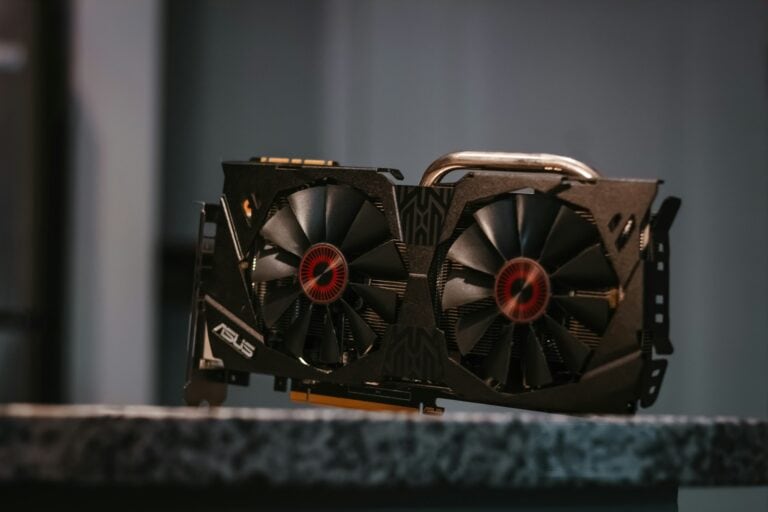
Nvidia has long dominated the graphics processing unit (GPU) market, powering everything from high‑end gaming PCs and professional workstations to artificial intelligence and data centers. However, Nvidia is far from the only player in the graphics space. Whether you’re looking for better value, open‑source drivers, lower power consumption, or specialized performance, there are several strong Nvidia alternatives worth considering.
This article explores the top competing graphics solutions, highlighting their strengths, ideal use cases, and how they compare to Nvidia GPUs.
Why Look for Nvidia Alternatives?
There are many reasons users explore alternatives to Nvidia GPUs:
- Cost considerations – Nvidia cards often carry premium pricing
- Availability issues – High demand can lead to shortages
- Open‑source support – Some users prefer open drivers and Linux‑friendly ecosystems
- Power efficiency – Certain alternatives focus on lower energy consumption
- Specific workloads – Some GPUs excel in professional, mobile, or integrated environments
AMD: Nvidia’s Primary Competitor
AMD Radeon Graphics
AMD is the most direct competitor to Nvidia in consumer and professional graphics.
Key strengths:
- Competitive gaming performance at lower price points
- Strong rasterization performance
- Open‑source Linux drivers (AMDGPU)
- Smart Access Memory and Infinity Cache technologies
Best for:
- PC gamers seeking high performance per dollar
- Linux users
- Content creators working with popular editing tools
Limitations:
- Ray tracing performance typically trails Nvidia
- Less mature AI and CUDA‑dependent software support
Intel: A Rapidly Growing GPU Contender
Intel Arc Graphics
Intel entered the discrete GPU market with its Arc lineup, targeting mainstream gamers and creators.
Key strengths:
- Excellent media engines (AV1 encode/decode)
- Competitive pricing
- Strong performance in modern APIs like DirectX 12 and Vulkan
- Good integration with Intel CPUs
Best for:
- Budget‑to‑midrange gaming PCs
- Video editing and streaming
- Users invested in Intel platforms
Limitations:
- Weaker performance in older DirectX 11 titles
- Driver maturity still evolving
Apple Silicon: Integrated Powerhouse
Apple M‑Series GPUs
Apple designs its own GPUs as part of its Apple Silicon chips (M1, M2, M3, and beyond).
Key strengths:
- Exceptional performance per watt
- Deep hardware‑software optimization
- Unified memory architecture
- Excellent creative app performance
Best for:
- macOS users
- Creative professionals (video, audio, design)
- Mobile and laptop users prioritizing battery life
Limitations:
- Not available for Windows PCs
- Limited gaming library compared to Nvidia systems
- No upgrade path (integrated GPU)
Qualcomm and ARM‑Based Graphics
Adreno and ARM Mali GPUs
ARM‑based GPUs dominate mobile devices and are expanding into laptops and AI edge computing.
Key strengths:
- Ultra‑low power consumption
- Strong mobile gaming and multimedia performance
- Integrated AI acceleration
Best for:
- Smartphones and tablets
- Lightweight laptops and always‑connected PCs
- Embedded and edge AI devices
Limitations:
- Not suitable for high‑end desktop gaming
- Limited support for traditional PC workflows
Professional and Enterprise Alternatives
AMD Instinct and Intel Data Center GPUs
For AI, machine learning, and HPC workloads, Nvidia CUDA GPUs are dominant—but alternatives exist.
AMD Instinct:
- Strong performance in open standards like ROCm
- Growing adoption in supercomputing environments
Intel Data Center GPUs:
- Optimized for media processing and AI inference
- Integration with Intel’s AI software stack
Best for:
- Enterprises seeking non‑CUDA ecosystems
- Organizations prioritizing open standards
Specialty and Legacy Graphics Solutions
Matrox, Imagination Technologies, and Others
These vendors focus on niche markets such as industrial displays, medical imaging, and embedded systems.
Key strengths:
- Long product lifecycles
- Stability and reliability
- Multi‑display support
Best for:
- Industrial and commercial environments
- Mission‑critical display systems
Comparing Nvidia Alternatives at a Glance
| Brand | Best Use Case | Key Advantage |
|---|---|---|
| AMD Radeon | Gaming & creators | Price‑to‑performance |
| Intel Arc | Budget gaming & media | Modern codec support |
| Apple Silicon | Creative laptops | Performance per watt |
| ARM / Qualcomm | Mobile & edge | Power efficiency |
| AMD Instinct | AI & HPC | Open standards |
| Matrox | Industrial use | Stability |
Choosing the Right Nvidia Alternative
When selecting a graphics solution, consider:
- Your workload (gaming, AI, video editing, enterprise)
- Operating system compatibility
- Power and thermal constraints
- Software ecosystem requirements
- Budget and availability
Nvidia may lead in ray tracing, AI acceleration, and software maturity, but alternatives often provide better value, efficiency, or openness depending on your needs.
Final Thoughts
The GPU landscape is more competitive than ever. From AMD’s gaming‑focused Radeon cards and Intel’s rapidly improving Arc GPUs to Apple’s power‑efficient integrated graphics, there are many capable Nvidia alternatives across every market segment.
Choosing the right solution isn’t about brand loyalty—it’s about matching the hardware to your specific use case. As competition continues to grow, users benefit from better pricing, innovation, and choice across the graphics ecosystem.
Overview of Nvidia Alternatives
Nvidia is a trailblazer in the GPU (Graphics Processing Unit) market, renowned for their powerful chips that many gamers and professionals rely on. Yet, the semiconductor landscape is rich with alternatives, offering diverse choices for different needs.
AMD (Advanced Micro Devices) stands out as a direct competitor, presenting their own range of GPUs that vie for market share in the high-stakes gaming and professional sectors. They’ve been a significant player in the graphics arena for years, with a reputation for high-performing chips that often come at a more wallet-friendly price compared to Nvidia.
Intel, traditionally known for their CPUs, has thrown their hat into the GPU ring as well. While they’ve been a bit-player in graphics compared to Nvidia and AMD, their recent efforts to craft dedicated GPUs show promise for the future.
In the realm of mobile technology, Qualcomm is a powerhouse with their Snapdragon chips. These are crucial in driving the graphics of smartphones, and while different from Nvidia’s typical domain, they represent an important segment of the graphic processing landscape.
Broadcom is another name in the industry, more subtle yet influential, especially within networking and mobile graphics, although not directly competing in the same space as Nvidia’s high-end GPUs.
Apple has entered the GPU market through vertical integration, designing their own chips tailored for their devices. This move reflects a growing trend towards custom, in-house semiconductor solutions, challenging the traditional model where companies like Nvidia supplied many tech giants.
The table below succinctly captures the essence of Nvidia’s key competitors in terms of their presence in the graphics and larger semiconductor market:
| Company | GPU Focus | Notable Products | Market Presence |
|---|---|---|---|
| AMD | PC Gaming/Professional | Radeon Series | Strong |
| Intel | Emerging GPU Market | Iris/Xe Graphics | Growing |
| Qualcomm | Mobile GPUs | Adreno (Snapdragon) | Dominant in Mobile |
| Broadcom | Networking/Mobile | Various Chips | Niche Role |
| Apple | Custom Devices | Apple Silicon | Exclusive to Apple Products |
Each of these companies contributes to a competitive and vibrant landscape in the GPU space, catering to a spectrum of consumers and industries. While Nvidia may lead in certain areas, the sector is dynamic, with technological advancements constantly shaping the future of graphics processing units.
Detailed Comparison of Competing GPUs
When searching for a new graphics card, it’s important to consider key features like performance, power efficiency, and price. The market offers a variety of GPUs to fit different needs, from high-end gaming to mobile computing.
High-Performance Gaming GPUs
The RTX 3090 stands out for its raw power and high frame rates in 4K gaming. It boasts features such as ray tracing and DLSS (Deep Learning Super Sampling), enhancing visual fidelity and performance. By contrast, AMD’s RX 6700 XT is a strong performer with a competitive price, offering excellent 1440p gaming and robust driver support.
Budget-Friendly Graphics Cards
For gamers watching their wallets, the GTX 1650 remains a solid choice, balancing cost and performance for entry-level gaming PCs. On the AMD side, the RX 6600 emerges as a contender, providing good 1080p gaming results and lower power consumption than many of its rivals.
Emerging Mobile and AI Technologies
Companies like Apple and Qualcomm are advancing in mobile GPU technology, integrating powerful graphics into their chips. The Nvidia Tegra series, for instance, is notable for powering AI-powered devices and mobile computing solutions, while ARM architectures play a pivotal role in efficiency.
Professional and Industrial Solutions
In the professional market, GPUs are judged on their ability to handle complex computations and AI tasks. Nvidia’s GPUs remain a preference in many industrial applications due to their high performance and supportive software and driver ecosystems that include features like DirectX 12 compatibility.
Software and Driver Ecosystems
Software and drivers are crucial for maximizing GPU performance. Nvidia’s driver support is often seen as a strong point, with frequent updates and optimizations for the latest games. AMD has significantly improved its software offering with the Radeon Software suite, featuring an intuitive interface and comprehensive features for customizing performance and display settings.
Market and Industry Dynamics
In navigating the competitive terrains of the semiconductor industry, key players exhibit strategic savvy in financial management, partnerships, and innovation. Understanding their movements provides insights into the evolving landscape.
Financial Analysis and Company Valuation
NVIDIA, known by its stock ticker NVDA, is a heavyweight in the semiconductor sector, especially in industries like VR, 3D graphics, and cloud technologies. It operates from Santa Clara, California, a hub for tech companies. Their financial health is often measured by revenue, net income, and overall market valuation. While NVIDIA has enjoyed a robust market share, their financials face scrutiny as companies like AMD intensify competition and chip demand fluctuates.
- Annual Revenue: Examining the revenue trends gives a snapshot of consumer demand and market presence.
- Net Income: This indicator sheds light on the company’s profitability after accounting for all expenses.
- Valuation: Reflected in the stock price, it offers a view of the company’s projected growth and investment risk.
Strategic Partnerships and Acquisitions
Strategic collaborations and acquisitions are key to gaining an edge in the semiconductor solutions market. Companies like Google (GOOGL/GOOG) and others are forging alliances to combine AI with semiconductor technology. Texas Instruments and TSMC are also significant players offering a range of semiconductor products, and partnerships with them bolster market offerings.
- Collaboration: Joining forces with giants in technology can lead to the development of innovative products.
- Competition: Stiff competition pushes companies to seek strategic acquisitions, enhancing their product lines and expanding their market footprint.
Innovation and Future Directions
The future of GPU and AI chip markets hinges on innovation, specifically in domains like ray tracing and cloud computing. NVIDIA’s strength in these areas positions it as a leader, yet companies like Microchip Technology are also important contributors.
- Ray Tracing: Innovations in ray tracing technology are critical for the advancement in realistic 3D graphics.
- Semiconductor Solutions: Integration of AI in semiconductor technologies could define leadership in the sector.
Competition remains fierce as companies vie for market share and profitability within the semiconductor industry.
Frequently Asked Questions
When looking for Nvidia alternatives, it’s crucial to know who the main players are and what they offer. This section addresses common queries about Nvidia’s competitors in the GPU market and beyond.
Which companies are the main competitors to Nvidia in the GPU market?
The primary competitors to Nvidia in the graphics processing unit (GPU) arena include Advanced Micro Devices (AMD) and Intel. They have established themselves as strong contenders in providing GPUs for various market segments.
What are some reputable alternatives to Nvidia for graphics processing units?
For those seeking alternatives to Nvidia for graphics processing, AMD’s Radeon graphics cards offer a balance of cost and performance. Other companies like Intel are also stepping up their game with new GPU releases.
How do AMD’s GPU offerings compare to those of Nvidia?
AMD’s Radeon series goes toe-to-toe with Nvidia’s offerings, presenting competitive performance, especially in the gaming and budget-friendly segments of the market.
Which companies are emerging as significant competitors to Nvidia in the AI chip sector?
In the AI chip sector, companies like Google with its Tensor Processing Units (TPUs) and startups such as Cerebras are becoming noteworthy competitors to Nvidia.
What are the top-performing GPUs from Nvidia competitors?
The AMD Radeon RX series and Intel’s Xe graphics are some of the top-performing GPUs that rival Nvidia’s product line, providing consumers with a broad range of choices.
Are there any open-source graphics drivers that can serve as alternatives to Nvidia’s proprietary ones?
Open-source graphics drivers, such as those developed by the Mesa project, provide alternatives to Nvidia’s proprietary graphics drivers, catering especially to the Linux user community.