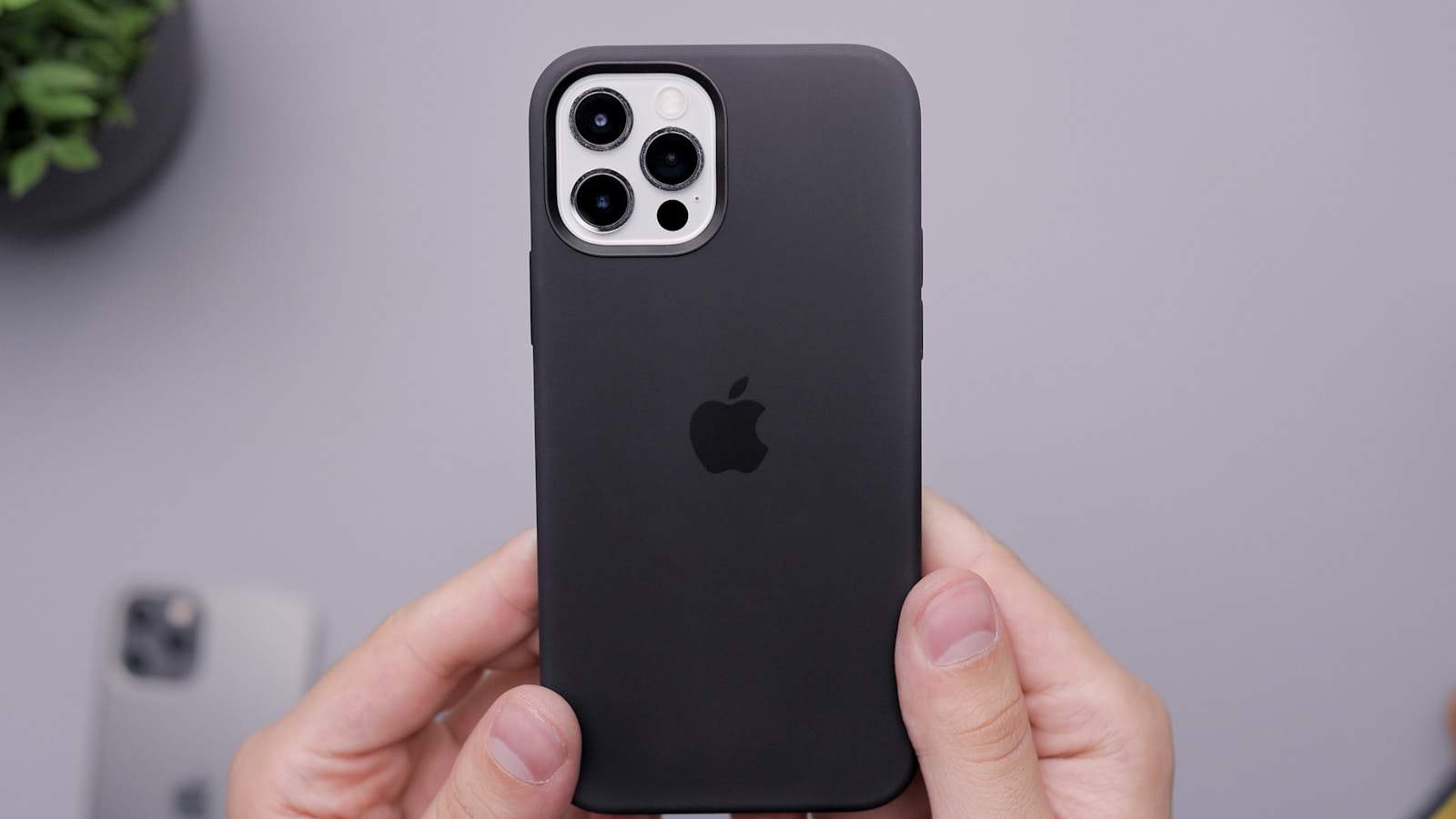
Choosing the right case for your cell phone can be overwhelming with so many options available. The right case can protect your phone from drops, scratches, and other accidents. Different cases are made from materials like plastic, silicone, and leather, each with its own advantages and disadvantages.
For instance, silicone cases are good for absorbing shocks, while hard plastic cases are better at resisting scratches. Some cases have extra features like card holders or kickstands. Consider how you use your phone every day and choose a case that meets those needs. By understanding these options, you can find a case that provides the protection and features you need.
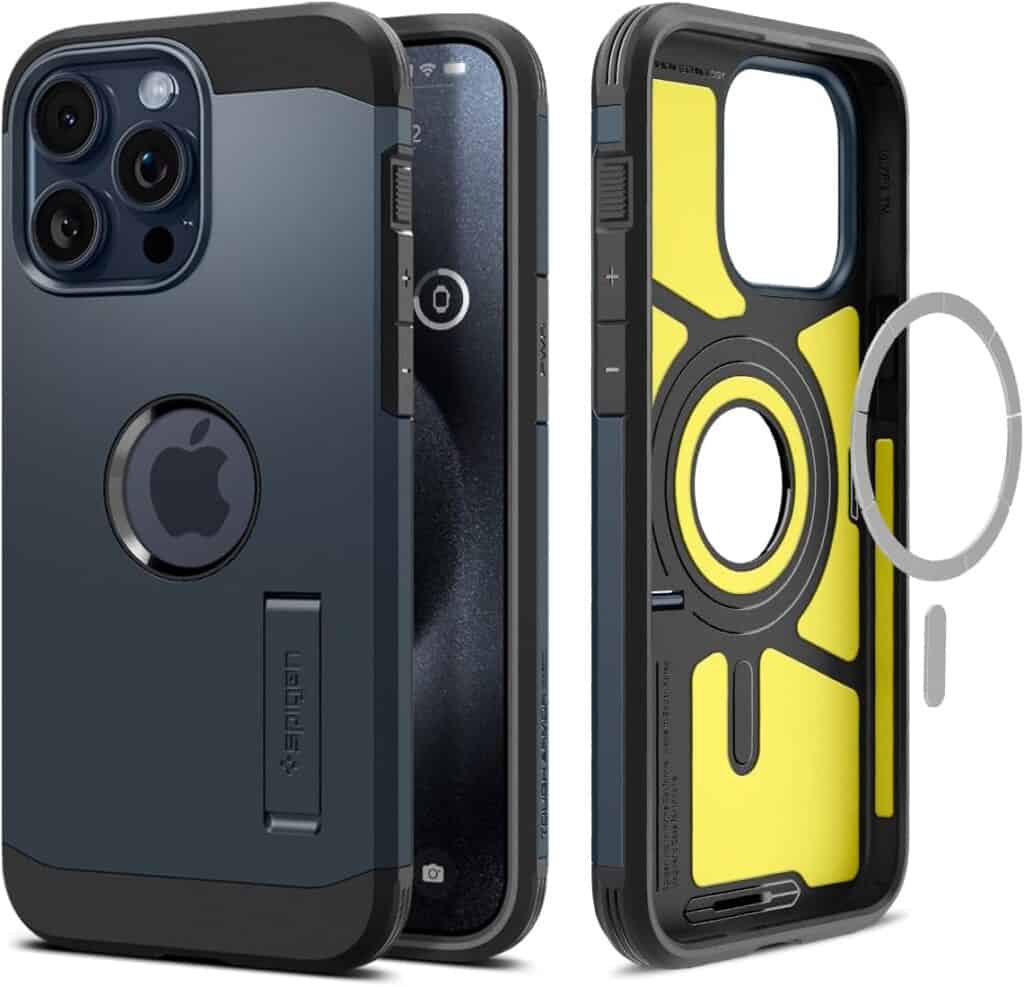
How to Choose the Best Protective Case for Your Cell Phone
Step 1: Assess Your Protection Needs
- How often do you drop your phone?
Frequent droppers need rugged, shock-absorbing cases. - What kind of protection do you want?
- Basic protection: Guards against scratches and minor bumps.
- Heavy-duty protection: Guards against drops, shocks, and impacts.
- Water resistance: For protection against spills and rain.
- Consider your lifestyle:
Outdoor enthusiasts may want rugged cases, while office workers might prefer slim, stylish cases.
Step 2: Choose the Right Case Material
- Silicone or TPU (Thermoplastic Polyurethane):
Flexible, shock-absorbent, and grippy. Good for drop protection and daily use. - Polycarbonate (Hard Plastic):
Durable and impact-resistant but less flexible. Often used in hybrid cases. - Leather:
Stylish and offers moderate protection. Can wear over time. - Metal or Aluminum:
Strong but heavier and may interfere with wireless charging. - Hybrid Cases:
Combine materials (e.g., hard polycarbonate back + TPU bumper) for balanced protection.
Step 3: Consider Additional Features
- Screen Protection:
Some cases include built-in screen protectors or raised edges to protect the screen from direct impact. - Camera Protection:
Raised bezels around the camera lens prevent scratches. - Wireless Charging Compatibility:
Ensure the case supports wireless charging if you use it. - Grip and Ergonomics:
Look for textured surfaces or grips to reduce accidental drops. - Kickstand or Card Holder:
Useful for media viewing or carrying essentials. - MagSafe Compatibility (for iPhone users):
Supports magnetic accessories and chargers.
Step 4: Check for Fit and Accessibility
- Make sure the case fits your exact phone model, including button placement and port access.
- Check if the case allows easy access to buttons, ports, and speakers.
- Some bulky cases may interfere with docks or mounts.
Step 5: Look at Style and Design
- Cases come in various colors, patterns, and finishes.
- Choose one that reflects your personality but also suits your usage (e.g., professional, sporty).
- Transparent cases show off your phone’s design but may yellow over time.
Step 6: Read Reviews and Test If Possible
- Look for expert and user reviews on durability and fit.
- If possible, handle cases in-store to check grip and comfort.
Step 7: Set Your Budget
- Basic cases can be very affordable ($10-$20).
- Rugged or designer cases can cost $40 or more.
- Consider the value of protecting an expensive phone.
Summary Table
| Feature | What to Look For | Best For |
|---|---|---|
| Material | TPU, polycarbonate, leather, hybrid | Drop protection, style |
| Protection Level | Shock absorption, raised edges | Frequent droppers |
| Additional Features | Screen/Camera protection, wireless charging | Convenience, functionality |
| Fit & Accessibility | Precise cutouts, button ease | Everyday usability |
| Style | Color, texture, transparency | Personal preference |
| Price | Budget-friendly to premium | Depends on phone value |
Recommended Brands to Explore
- OtterBox (rugged protection)
- Spigen (affordable and reliable)
- Apple (MagSafe-compatible cases)
- UAG (military-grade protection)
- Mous (impact absorption with style)
References
- Good Housekeeping: Best Phone Cases of 2025
- HuffPost: Best Protective Phone Cases
- Zagg: How to Choose the Best Phone Case
Your Guide to Choosing the Perfect Phone Case
Consider Your Needs
Before diving into specific brands or styles, think about how you use your phone and the level of protection you need. Are you prone to dropping your phone? Do you work in a rugged environment? Or are you more concerned with style and aesthetics? Answering these questions will help you narrow down your options.
Types of Cases
- Basic Cases: These offer minimal protection against scratches and minor bumps. They are usually slim and lightweight, making them ideal for those who prioritize style and convenience.
- Tough Cases: If you need more serious protection, tough cases are a good choice. They often have multiple layers of shock-absorbing materials and raised edges to protect the screen. Some even come with built-in screen protectors.
- Wallet Cases: These cases combine a protective cover with a wallet function, offering slots for cards and cash. They are convenient for those who want to carry everything in one place.
- Battery Cases: If you’re always on the go and need extra power, battery cases can be a lifesaver. They provide additional battery life for your phone, ensuring you stay connected throughout the day.
Materials
Phone cases come in a variety of materials, each with its own advantages and disadvantages:
- Plastic: Lightweight and affordable, but less durable than other materials.
- Silicone: Offers good grip and shock absorption, but can attract dust and lint.
- Leather: Provides a stylish and sophisticated look, but can be more expensive.
- Metal: Offers the best protection against drops and impacts, but can be bulky and heavy.
- Hybrid: Combines different materials, such as a plastic back with a silicone bumper, for the best of both worlds.
Features to Consider
- Grip: A case with a good grip can help prevent your phone from slipping out of your hand.
- Wireless Charging Compatibility: If you use wireless charging, make sure your case is compatible.
- MagSafe Compatibility: For iPhone users, MagSafe compatibility allows for easy attachment of accessories like wallets and chargers.
- Durability: Look for cases that are made from durable materials and have been drop-tested to ensure they can protect your phone from damage.
Price and Brand
The cost of phone cases can vary greatly depending on the brand, material, and features. While some designer cases can be quite expensive, there are also plenty of affordable options available. It’s important to set a budget and research different brands to find the best value for your money. Some popular phone case brands include OtterBox, Spigen, Casetify, and Nomad.
Tips for Choosing a Phone Case
- Read Reviews: Before purchasing a case, read online reviews to get feedback from other users.
- Check the Warranty: Some brands offer warranties on their cases, which can give you peace of mind.
- Try It Out: If possible, try out the case in person to see how it feels in your hand and if it fits your phone properly.
Choosing the perfect phone case can be a daunting task with countless options available. However, by understanding your needs, considering different types of cases and materials, and exploring various features, you can find the ideal case to protect your phone and reflect your personal style.
Key Takeaways
- The right case can save your phone from damage
- Different materials offer different types of protection
- Consider extra features that fit your daily use
Understanding Case Materials and Design
Choosing the right cell phone case involves understanding the materials and design features that affect protection and functionality. It’s important to know which materials offer the best durability and the design elements that can enhance user experience.
Evaluating Different Materials
Plastic (Polycarbonate & TPU): These materials are lightweight but strong. Polycarbonate is excellent for impact resistance. TPU (thermoplastic polyurethane) is flexible yet tough, providing good shock absorption.
Silicone: Silicone cases are soft and provide a good grip. They absorb shock well but may wear out faster than harder plastics.
Leather: Leather can be stylish and comfortable. Genuine leather cases look classy but may offer less impact protection. They can also be more expensive.
Wood & Biodegradable Plastics: These are eco-friendly options. Wood cases are unique but can be bulky. Biodegradable plastics help reduce environmental impact but vary in durability.
Design Features for Protection and Functionality
Drop Protection: Look for cases with raised edges or air pockets in the corners. These features help protect the screen during falls.
Grip: Texture or ridged sides can make a case easier to hold, reducing the chance of drops.
Kickstands: Some cases come with built-in kickstands, making it easy to watch videos hands-free.
Wireless Charging: Ensure the case supports wireless charging if you use this feature. Some thick or metal cases may block the signal.
Screen Protectors: Integrated screen protectors can add an extra layer of safety for the display.
Case Types for Different Needs
Rugged Cases: These are designed for heavy-duty protection. They often have multiple layers and built-in screen protectors.
Slim Cases: Slim cases are light and add minimal bulk to the phone. They provide basic protection while keeping the phone’s original look.
Wallet Cases: Wallet cases combine a phone case with a wallet. They often have slots for cards and cash, making them convenient but sometimes bulky.
Battery Cases: These cases have a built-in battery to extend your phone’s battery life. They’re useful if you need extra power on the go.
Clear Cases: Clear cases show off the phone’s design. Many are made from TPU or clear plastic.
Magnetic Cases: Magnetic cases can easily attach to car mounts. Some even support magnetic accessories.
Waterproof Cases: Waterproof cases protect the phone from water damage. Perfect for those who need to use their phone near water frequently.
Frequently Asked Questions
Different phones need different protective cases based on factors such as model, material, and usage. Here are some key points to help you choose the best case for your phone.
What factors should be considered when choosing a protective case for an iPhone?
For an iPhone, look for cases that protect from drops and scratches. Consider thickness, weight, and grip. Choose a case that won’t interfere with wireless charging.
What are the best protective case options for a Samsung smartphone?
Samsung phones can benefit from cases with drop protection and shock absorption. Popular choices include OtterBox and Smartish Gripmunk. These brands offer good protection without making the phone bulky.
Which materials offer the best protection for phone cases?
Materials like silicone, rubber, and polycarbonate offer great protection. Leather can be stylish but may not be as durable. Metal cases protect well but can be heavy.
How can I select a durable case for my Android device?
Choose cases designed for specific Android models. Look for shock-resistant materials. Brands like OtterBox and Speck are known for their durability.
What is the most effective phone case design for drop protection?
Cases with reinforced corners and raised edges protect best against drops. Look for those with military-grade certification for added assurance.
Is there an optimal phone case material for managing heat dissipation?
Materials like thermoplastic polyurethane (TPU) manage heat well. Avoid cases that are too thick, as they may trap heat. Some cases have built-in vents to help with cooling.