Pouring leftover rubbing alcohol down the drain might seem simple, but it raises safety and environmental concerns. You can pour small amounts of rubbing alcohol down a household drain if you dilute it heavily with water, but large amounts or stronger solutions should never go down the sink. Knowing the right way to handle it prevents damage to plumbing, reduces fire risks, and keeps harmful chemicals out of the water system.
Many people keep rubbing alcohol at home for cleaning, disinfecting, or first aid, but bottles often sit unused until they expire. When that happens, the question of disposal comes up. Some methods are safe, while others can put homes and communities at risk. Understanding the difference helps avoid mistakes that seem harmless but can cause real problems.
This guide explains when it is safe to use the drain and when safer alternatives are necessary. It also clears up common questions about how much is too much and why outdoor drains or storm sewers are never an option.
Can You Pour Rubbing Alcohol Down the Drain?
Rubbing alcohol (usually isopropyl alcohol) is a common household item used for cleaning, disinfecting, and first aid. But when you’re done using it—or it’s expired—you might wonder: Can you pour rubbing alcohol down the drain?
The short answer is: sometimes, in small amounts—but it’s usually not the best option. Below is a clear, practical guide to help you dispose of rubbing alcohol safely and responsibly.
What Is Rubbing Alcohol?
Rubbing alcohol typically contains:
- Isopropyl alcohol (70% or 91%)
- Water
- Occasionally small amounts of additives or fragrances
It is flammable, evaporates quickly, and can be harmful in large quantities if released into plumbing or the environment.
Is It Safe to Pour Rubbing Alcohol Down the Drain?
✅ Small amounts: Generally acceptable
- A few teaspoons or tablespoons left in a bottle
- Alcohol used on wipes, cotton balls, or cleaning cloths
When diluted with plenty of water, small amounts usually won’t harm household plumbing or septic systems.
⚠️ Large amounts: Not recommended
Avoid pouring large quantities (cups or bottles) down the drain because:
- It’s flammable
- It can damage septic systems
- It may disrupt wastewater treatment processes
- It can harm aquatic life if improperly treated
Is It Safe for Septic Systems?
❌ No—especially in large quantities
Rubbing alcohol can kill beneficial bacteria in septic tanks that help break down waste. Even moderate amounts can disrupt the balance of your system.
✅ If you’re on a septic system, avoid drain disposal entirely.
Better Ways to Dispose of Rubbing Alcohol
✅ 1. Let It Evaporate (Best for Small Amounts)
- Pour the alcohol into a shallow container
- Place it in a well‑ventilated area, away from flames
- Allow it to evaporate completely
⚠️ Keep away from children, pets, and heat sources.
✅ 2. Take It to a Household Hazardous Waste Facility
This is the safest option for large amounts or unopened bottles.
- Check your local waste management website
- Look for “household hazardous waste” or “chemical disposal”
✅ 3. Use It Up
If it’s still effective:
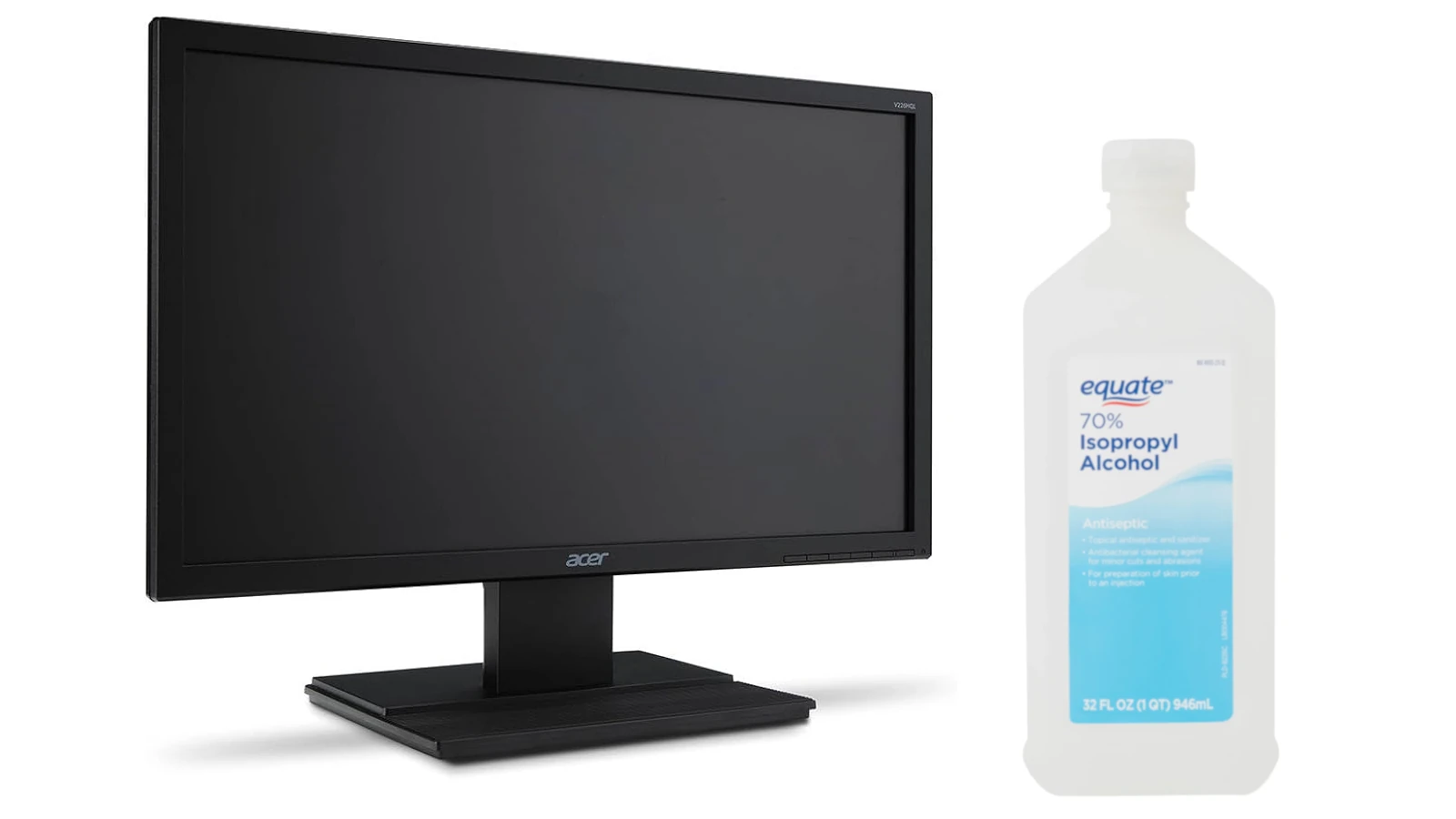
- Clean glass or electronics
- Disinfect surfaces
- Remove sticky residue
What You Should Never Do
🚫 Pour rubbing alcohol:
- Into storm drains
- Onto the ground
- Into toilets in large quantities
- Near open flames or sparks
What About Ethyl (Ethanol) Alcohol?
Ethyl alcohol (like high‑proof drinking alcohol) follows similar rules:
- Small, diluted amounts may be acceptable
- Large quantities should be disposed of via hazardous waste services
Quick Disposal Guide
| Amount | Best Disposal Method |
|---|---|
| A few drops | Rinse with plenty of water |
| Small leftover amount | Evaporate safely |
| Large bottle | Hazardous waste facility |
| Septic system home | Do not pour down drain |
Final Answer
✅ Yes, you can pour very small amounts of rubbing alcohol down the drain if heavily diluted with water—but it’s not ideal.
❌ For large quantities or septic systems, don’t do it.
When in doubt, evaporation or hazardous waste disposal is safer for your home, plumbing, and the environment.
Key Takeaways
- Small amounts of diluted rubbing alcohol may go down a household drain
- Large amounts or strong solutions need safer disposal methods
- Knowing proper guidelines prevents safety and environmental risks
Frequently Asked Questions
Rubbing alcohol disposal depends on its concentration, the amount being discarded, and the type of waste system in place. It can pose risks to plumbing, septic systems, and the environment if not handled correctly.
Is it safe to dispose of isopropyl alcohol in a sink?
Small amounts of diluted rubbing alcohol may be poured into a sink with plenty of running water. Larger amounts or high concentrations should not be poured down drains, as they are flammable and harmful to wastewater systems.
What are the environmental impacts of pouring rubbing alcohol down the drain?
Isopropyl alcohol can disrupt aquatic ecosystems if it enters waterways. Even diluted, it can harm fish, plants, and beneficial microbes. Frequent disposal down drains increases the risk of contamination.
How should excess rubbing alcohol be disposed of properly?
The safest option is to take unused rubbing alcohol to a hazardous waste facility. For small amounts, it can be absorbed with materials like sand or cat litter, sealed in a container, and placed in household trash if local rules allow.
Can disposing of rubbing alcohol in the sink affect plumbing or septic systems?
Yes. Alcohol can damage septic systems by killing the bacteria that break down waste. In plumbing, it may deteriorate rubber seals and gaskets over time.
Are there any legal regulations regarding the disposal of isopropyl alcohol down household drains?
Local rules vary. Some areas allow limited diluted disposal into sanitary sewers, while others require hazardous waste handling. Storm drains should never be used, as they lead directly to natural water sources.
What alternatives exist for disposing of unwanted rubbing alcohol?
Leaving small amounts to evaporate in a well-ventilated area is one option. It can also be used as a household cleaner or disinfectant to avoid waste. Hazardous waste collection sites accept larger volumes for safe disposal.